How I Boosted My Energy in Minutes with These Simple Moves
We’ve all hit that afternoon slump—eyes heavy, focus gone. I used to crash hard, relying on coffee and sugar just to function. But after trying quick, science-backed movement techniques, I noticed a real shift. These aren’t intense workouts—just smart, short exercises that wake up your body and mind. In this article, I’ll break down how simple physical habits can fuel lasting energy, why they work, and exactly how to use them daily. What began as a personal experiment has become a non-negotiable part of my routine, transforming not just my afternoons but my entire relationship with daily energy. This isn’t about pushing harder—it’s about moving smarter.
The Energy Crisis We All Face
Low energy is one of the most common complaints among adults, especially women in their 30s to 50s balancing work, family, and household responsibilities. It often shows up as mental fog, physical sluggishness, or an overwhelming need to sit down and rest—typically between 2 p.m. and 4 p.m. Many turn to quick fixes: a second cup of coffee, a sugary snack, or scrolling through a phone to distract from the fatigue. While these offer temporary relief, they don’t address the root cause. The real issue isn’t always lack of sleep or poor diet—though those matter—but a body that has been still for too long.
Modern life demands prolonged sitting. Whether at a desk, in front of a screen, or behind the wheel, many spend hours without meaningful movement. This sedentary behavior disrupts blood circulation, reduces oxygen delivery to the brain, and signals the nervous system to conserve energy—essentially putting the body into low-power mode. Poor posture worsens the problem, compressing the chest and diaphragm, which limits breathing and further reduces energy availability. The result is a cycle: fatigue leads to inactivity, which leads to more fatigue.
The good news is that breaking this cycle doesn’t require a 30-minute workout or a complete lifestyle overhaul. Research shows that even brief bursts of movement can reset the body’s energy systems. Unlike stimulants, which artificially spike alertness only to cause a crash later, movement supports sustainable energy by improving circulation, enhancing oxygen flow, and stimulating the nervous system in a balanced way. The key is consistency and intention—not intensity.
Why Movement Fuels Energy (The Science Simplified)
Energy in the body is not just a feeling—it’s a physiological process driven by circulation, respiration, and cellular function. When you move, your heart pumps faster, sending oxygen-rich blood to your brain and muscles. This increased blood flow delivers fuel to cells and removes metabolic waste, helping you feel more alert and focused. At the cellular level, movement stimulates mitochondria—the energy powerhouses of cells—to work more efficiently. Over time, regular movement improves mitochondrial density and function, meaning your body becomes better at producing energy naturally.
The nervous system also plays a crucial role. When you’ve been sitting for a long time, your autonomic nervous system tends to shift toward the parasympathetic “rest and digest” state. While this is healthy in the right context, staying in it too long during the day can lead to mental dullness. Dynamic movement activates the sympathetic nervous system—the “alert and ready” mode—without triggering stress. This shift isn’t about anxiety or adrenaline; it’s about signaling the body that it’s time to engage, focus, and respond. Simple motions like stretching or walking send signals through the nervous system that boost mental clarity and physical readiness.
It’s important to distinguish between fatigue caused by overwork and fatigue caused by stagnation. The first type—burnout from too much effort—requires rest and recovery. The second—lethargy from inactivity—responds best to movement. Most people in sedentary jobs experience the latter far more often than they realize. When you feel tired after sitting for an hour, it’s not because your body is worn out; it’s because your body has slowed down. Movement reverses this not by exhausting you further, but by reawakening your natural energy systems. This is why a two-minute stretch break can be more effective than a caffeine boost.
The 5-Minute Energy Reset Routine
One of the most effective tools for combating low energy is a short, intentional movement sequence that can be done anywhere, anytime. This 5-minute routine is designed to stimulate circulation, release tension, and reset the nervous system without requiring any equipment or space. Each movement targets areas where energy tends to get blocked—particularly the spine, shoulders, and legs—while promoting deep breathing and mindfulness. The goal isn’t to work up a sweat, but to wake up the body in a gentle, sustainable way.
The first move is the standing spinal twist. Begin by standing with feet hip-width apart. Inhale to lengthen the spine, then exhale as you gently twist your torso to the right, placing your left hand on your right thigh and your right hand behind you for support. Hold for 3–5 breaths, then switch sides. This twist improves spinal mobility, stimulates digestion, and enhances circulation to the core. It also helps release tension in the lower back, a common area of stiffness from sitting.
Next, perform shoulder rolls. Lift your shoulders up toward your ears, roll them back and down in a smooth circle, then reverse the direction. Repeat for 10–15 seconds in each direction. This simple motion relieves tension in the upper back and neck, areas that often hold stress from screen use and poor posture. It also opens the chest, allowing for deeper breathing and better oxygen intake.
Follow with a forward fold with arm sweep. From standing, exhale and hinge at the hips to fold forward, letting your arms hang or gently sweeping them out to the sides and up overhead as you rise back up. Repeat 5–6 times. This movement increases blood flow to the brain, stretches the hamstrings and lower back, and encourages rhythmic breathing. The arm sweep adds a dynamic element that engages the upper body and improves coordination.
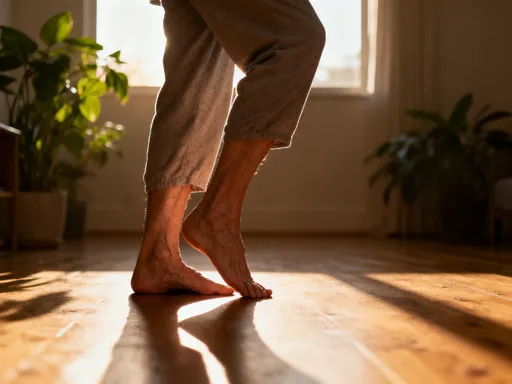
Then, do calf raises. Stand with feet hip-width apart and slowly rise onto your toes, then lower back down with control. Repeat 15–20 times. This may seem simple, but calf muscles are often called the “second heart” because their contraction helps pump blood back up from the legs. This is especially important after long periods of sitting, when circulation in the lower body slows down.
Finish with deep breathing. Stand or sit comfortably, place one hand on your chest and the other on your abdomen, and take slow, full breaths—inhaling through the nose for a count of four, allowing the belly to rise, then exhaling through the mouth for a count of six. Repeat for 1–2 minutes. This breathing pattern activates the parasympathetic nervous system, reduces stress hormones, and enhances oxygen exchange, leaving you feeling calm yet alert.
When and Where to Use It (Seamless Integration)
The beauty of this routine is its flexibility. It doesn’t require special clothing, equipment, or privacy—making it easy to integrate into even the busiest day. The key is to pair it with existing habits so it becomes automatic. For example, do the sequence after checking email, before starting a phone call, or right after lunch. These are natural transition points in the day when a reset can have maximum impact.
At work, modifications make it possible even in a professional setting. If standing isn’t an option, perform seated versions: do spinal twists while in your chair, roll your shoulders discreetly, and practice deep breathing at your desk. A quick calf raise can be done while waiting for the printer or standing in line for coffee. Even a 60-second version—just shoulder rolls and breathing—can make a noticeable difference in alertness and mood.
For those working from home, use the routine as a boundary between tasks. After finishing a household chore or a work assignment, take two minutes to move and breathe before transitioning to the next activity. This not only boosts energy but also creates mental clarity, reducing the feeling of being overwhelmed. Parents can do it during a child’s screen time or while waiting for dinner to cook. The more you link movement to daily cues, the more likely it is to become a lasting habit.
Consistency matters more than duration. Doing a 2–3 minute version three to four times a day is more effective than a single 10-minute session once in the afternoon. These small investments compound over time, improving circulation, reducing stiffness, and enhancing mental focus. Over weeks, many report not only fewer energy crashes but also better sleep and improved mood—side benefits of a body that feels more alive and responsive.
Breathing: The Hidden Half of the Equation
Movement and breath are inseparable when it comes to energy. Yet, most people overlook the role of breathing in daily vitality. Shallow, chest-based breathing—common during stress or prolonged sitting—limits oxygen intake and keeps the nervous system in a low-grade state of tension. This type of breathing activates the fight-or-flight response over time, increasing fatigue rather than reducing it. In contrast, diaphragmatic breathing—deep, slow breaths that expand the belly—signals safety to the brain, lowers heart rate, and improves oxygen delivery to cells.
When combined with movement, proper breathing enhances the benefits of each exercise. For example, inhaling during an upward motion (like rising from a forward fold) supports expansion and energy, while exhaling during a downward or twisting motion promotes release and relaxation. This rhythm mirrors the body’s natural cycles and helps regulate the nervous system. Practicing a simple 4-6 breath pattern—inhale for four counts, exhale for six—trains the body to stay in a calm, alert state rather than drifting into fatigue or stress.
One of the most powerful aspects of breathwork is its ability to reduce cortisol, the primary stress hormone. Elevated cortisol levels are linked to fatigue, weight gain, and poor sleep—common concerns for women in midlife. By incorporating intentional breathing into daily movement, you create a natural reset button for both body and mind. Over time, this practice can improve emotional resilience, making it easier to handle daily pressures without burning out.
You don’t need to set aside special time to practice this. Simply pause for three deep breaths before responding to a text, while waiting for the kettle to boil, or during a commercial break. These micro-moments of breath awareness add up, training your body to default to a calmer, more energized state. When paired with movement, they form a powerful duo for sustained daily energy.
Common Mistakes That Kill the Boost
Even with the right routine, small missteps can reduce its effectiveness. One of the most common mistakes is rushing through the movements. When done quickly and without attention, these exercises become mechanical rather than therapeutic. The benefit comes not just from the physical motion, but from the mindfulness behind it—feeling the stretch, noticing the breath, staying present in the body. Without this awareness, the nervous system doesn’t get the full reset signal.
Another frequent error is holding the breath during movement. Many people unconsciously stop breathing when concentrating or exerting effort, even mildly. This creates tension and limits oxygen flow, counteracting the goal of increased energy. A simple fix is to pair each movement with a breath cue—inhale on the opening or lifting phase, exhale on the closing or releasing phase. This keeps the body in sync and enhances the calming effect.
Skippping the recovery phase is another pitfall. The final breathing segment is not an afterthought—it’s a critical part of the reset. Jumping straight back into work after moving can negate the benefits by reactivating stress responses too quickly. Instead, take a moment to pause, breathe, and let the body integrate the changes. This transition period allows the nervous system to stabilize, making the energy boost last longer.
Finally, some people confuse movement with stretching alone. While static stretching has benefits, it doesn’t provide the same energizing effect as dynamic motion. Fake stretching—going through the motions without engagement—does little to wake up the system. True energy-boosting movement is intentional, rhythmic, and connected to breath. It’s not about how far you can stretch, but how awake you feel afterward.
Building a Sustainable Energy Habit
The most effective health changes are those that become invisible—so woven into daily life that they require no extra effort. The key to making this energy routine stick is habit stacking: linking it to something you already do consistently. For example, after pouring your morning coffee, do one round of the sequence. After hanging up a phone call, take 90 seconds to move and breathe. These small triggers make the habit automatic over time.
Another powerful tool is tracking. For one week, note your energy level before and after each session on a scale of 1 to 10. You don’t need a journal—just a quick mental check-in. Most people are surprised to see a consistent improvement, even after just a few tries. This immediate feedback reinforces motivation and helps you recognize the value of the practice. Over time, you’ll start to crave the clarity and lightness it brings.
It’s also helpful to adjust the routine to fit your day. On busy mornings, do a shortened version. On weekends, expand it into a longer mindful movement practice. The goal isn’t perfection, but presence. Even on days when you only manage one shoulder roll and three deep breaths, you’re reinforcing the habit and sending a positive signal to your body.
Over months, this daily practice does more than prevent afternoon crashes—it builds a foundation of resilience. You become less reactive to stress, more aware of your body’s signals, and better equipped to manage the demands of daily life. This isn’t about achieving peak fitness; it’s about cultivating steady, reliable energy that supports everything you do. And the best part? It costs nothing, requires no special skills, and can be done at any age or fitness level.
True energy isn’t found in a can or a pill. It’s unlocked through smart, simple movement that aligns with how your body actually works. These techniques aren’t flashy or extreme—they’re practical, proven, and powerful. By making them part of your day, you’re not just fighting fatigue; you’re reclaiming your natural rhythm. Start small. Move often. Feel the shift.