Chasing Light and Culture: Milos’ Hidden Photo Gems That Capture the Soul of Greece
Have you ever stood somewhere so breathtaking it made your camera tremble in your hands? That’s Milos. Beyond its famous beaches, this Cycladic island pulses with raw beauty and timeless traditions. I wandered its cliffs, villages, and ancient paths, discovering photo spots where culture isn’t just seen—it’s felt. From fishing rituals to abandoned mines glowing at golden hour, every frame tells a story. This is travel photography at its most authentic. Milos doesn’t perform for the lens; it lives, breathes, and endures, offering those who look closely not just images, but intimacy—a quiet exchange between observer and observed, light and shadow, past and present.
The Island Where Every Corner Tells a Story
Milos is not the kind of Greek island that has been smoothed by mass tourism. It has not traded its soul for convenience. Instead, it stands as a testament to the quiet resilience of place—where volcanic rock meets human rhythm, and where centuries of island life have left their mark in stone, color, and gesture. Unlike the more commercialized Cyclades, Milos retains an unpolished authenticity. Its whitewashed houses are not uniformly pristine; they are sun-bleached, salt-worn, and often crowned with bougainvillea spilling over uneven walls. Donkey trails, once vital for transport, still wind through hidden courtyards and terraced gardens, now used more by locals than tourists. This is not a staged backdrop but a lived-in world, one that rewards patience and presence.
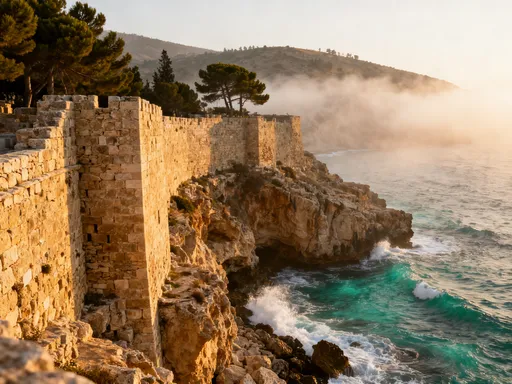
The island’s geological history is written into its landscape. Formed by volcanic activity over millions of years, Milos features dramatic cliffs, natural sea caves, and mineral-rich soil that has drawn miners since antiquity. This same geology shapes its visual language—sharp contrasts between black lava rock and turquoise water, soft curves of eroded tuff, and sudden bursts of color where wildflowers cling to cracks in stone. For the photographer, this means endless compositional possibilities: textures that beg to be touched, light that dances across uneven surfaces, and shadows that deepen the sense of mystery. But beyond the physical beauty, it’s the human imprint that elevates Milos from scenic to sacred.
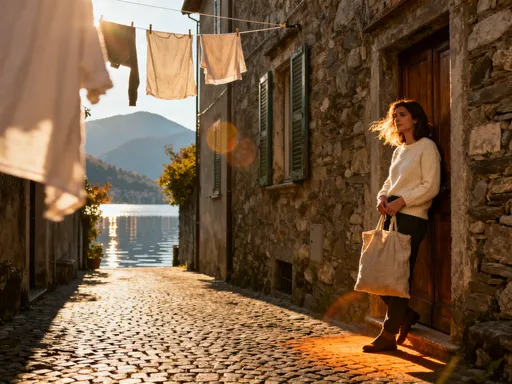
Fishing, farming, and mining have long defined life here, and these traditions remain visible in daily routines. Elderly residents still sit outside their homes in the late afternoon, sipping coffee and watching the world pass by. Women hang laundry between narrow alleyways, the fabric fluttering like flags of domestic life. These moments are not curated for visitors—they unfold naturally, offering genuine glimpses into a culture that values continuity over change. Photographing them requires more than a good lens; it demands respect, timing, and an understanding that every image carries responsibility. When done thoughtfully, such photography becomes a form of preservation—a way to honor what endures.
Sarakiniko: Otherworldly Landscapes Meet Daily Life
Sarakiniko is perhaps the most photographed site on Milos, and for good reason. Its surreal, moon-like terrain—carved by wind and sea from volcanic ash—creates a dreamscape of smooth, undulating rock formations that plunge into the Aegean. At sunrise, the site draws crowds eager to capture its ethereal glow, with photographers lining up for the same wide-angle shot of white rock against blue water. But to see Sarakiniko only as a postcard is to miss its deeper rhythm. Beneath the surface of tourist snapshots lies a quieter, more intimate reality—one shaped by local presence and daily ritual.
While most visitors focus on the panoramic view, those who linger begin to notice subtle signs of life. A fisherman paddles a small kayak along a hidden cove, his silhouette gliding across mirrored water. Children skip stones from flat outcrops, laughing as the rocks dance across the surface. An elderly couple walks slowly along a shaded path, pausing to point out a rare sea bird nesting in a crevice. These are the moments that transform Sarakiniko from a geological wonder into a living space. Photographing them requires shifting focus—from grand vistas to small gestures, from perfect symmetry to imperfect beauty.
To capture this duality, consider using natural framing. The island’s lava-formed curves create organic arches and tunnels that can serve as dynamic borders for your composition. Position a fisherman in a kayak within one of these rock frames, and the image gains depth and narrative. Midday light, often avoided by photographers, can work to your advantage here. The high sun creates sharp contrasts between light and shadow, emphasizing texture and form. Use this to highlight the tactile quality of the rock—its smoothness, its cracks, its ancient weight. A polarizing filter can help reduce glare on wet surfaces, revealing the subtle blues and greens beneath the surface of tide pools.
Equally important is awareness of your surroundings. Sarakiniko is fragile—both environmentally and culturally. Avoid climbing on unstable edges or disturbing nesting areas. And when photographing locals, do so with discretion. A smile, a nod, a quiet word in broken Greek can go a long way in building trust. Some of the most powerful images are taken not with a telephoto lens from a distance, but with permission and connection. When that connection is made, the result is not just a photo, but a shared moment—one that honors both the place and the people who know it best.
Klima’s Colorful Syrmata: When Fishing Culture Becomes Art
Along the northern coast of Milos, nestled in a series of small, sheltered bays, lies Klima—a village of floating fishermen’s houses known as syrmata. These brightly painted wooden structures, built on stone foundations and stilts above the water, were originally designed as boat storage and shelter for fishermen. Over time, many have been restored and adapted into homes or guesthouses, but their original purpose remains visible in the nets hanging from balconies, the oars propped against walls, and the small boats bobbing below. Klima is not a museum exhibit; it is a functioning maritime community, where tradition and modern life coexist in delicate balance.
From a photographic perspective, Klima offers an extraordinary interplay of color, reflection, and light. The syrmata are painted in vivid blues, reds, and yellows—colors that echo the sea, the sky, and the sun-baked earth. When the water is calm, these hues double in the surface, creating mirror images that blur the line between reality and reflection. Early morning is ideal for capturing this effect, when the air is still and the light is soft. Position yourself at water level, perhaps from a small boat, to include both the structure and its reflection in a single frame. A slight ripple can add movement and mood, turning a static image into something alive.
But beyond the aesthetic appeal, Klima’s true power lies in its humanity. Look beyond the facades and you’ll see signs of ongoing life—a fisherman repairing a net by hand, an old wooden tool hanging from a nail, a cat sleeping on a coiled rope. These details tell stories of labor, care, and continuity. To photograph them respectfully, avoid staging or directing. Wait for moments that unfold naturally. Use a 50mm or 85mm prime lens to capture intimate details without intruding. If someone notices you, greet them with a smile and, if possible, explain your interest. Many locals appreciate when visitors take the time to understand their way of life.
One of the most compelling aspects of Klima is how it resists commodification. There are no souvenir shops, no crowded cafes, no loud music. Life here moves at its own pace, shaped by tides and seasons rather than tourist schedules. This authenticity makes it a rare find in the modern travel landscape. For the photographer, it’s a reminder that the most meaningful images are not always the most colorful or dramatic, but those that reveal something true—about a place, a people, a way of being.
Plaka: Rooftop Vistas and Local Encounters
Perched on a hilltop overlooking the island and the sea, Plaka is the capital of Milos and one of its most photogenic towns. Its narrow, winding streets climb steeply, lined with whitewashed houses, flowering vines, and iron-grilled balconies. At the summit, the old windmill and the church of Agios Haralambos offer panoramic views that stretch across the Aegean. But while the vistas are stunning, the real magic of Plaka lies in its quieter corners—where daily life unfolds away from the main paths.
Rooftop terraces provide some of the best vantage points, especially at dusk. As the sun sets behind the island, the sky fills with warm pinks and oranges, and the first lights flicker on in homes below. This is the golden hour of urban Milos—a time when the town glows from within. Use a tripod to capture long exposures that show the transition from day to night. Include architectural details in the foreground—a terracotta pot, a weathered door, a stone wall—to ground the image in place. A wide-angle lens works well here, but don’t overlook tighter compositions. A single lit window in a distant house can carry as much emotion as a sweeping skyline.
At street level, Plaka rewards slow exploration. Walk without a map, allowing yourself to get slightly lost. Turn down alleys so narrow that you can touch both sides at once. Look up: laundry hangs between balconies like improvised banners; cats nap in sunlit doorways; an old woman waters her plants from a clay jug. These are the moments that define the soul of a place. To capture them, move quietly and observe patiently. Use a prime lens with a wide aperture (f/1.8 or f/2.8) to isolate subjects and blur backgrounds, creating a sense of intimacy.
When photographing people, always prioritize respect. A direct smile and a simple “Efharisto” (thank you) can open doors. Some residents may welcome your interest, especially if you take the time to chat. Others may prefer privacy—honor that. One of the most powerful images I took in Plaka was of an elderly man sitting on a stone step, peeling an orange. I waited for several minutes, making no move to raise my camera, until he looked up and nodded. That single frame—his wrinkled hands, the burst of citrus, the quiet dignity—says more about Milos than any landscape ever could.
Ancient Mining Ruins: Industrial History in Golden Hour
Milos has been a mining center since ancient times, known for its obsidian, sulfur, and bentonite. The island’s economy once depended on these resources, and the scars of that history remain visible in the abandoned mines near Tripiti and other coastal areas. Today, these sites are silent—rusted machinery, crumbling tunnels, and weathered signage stand as monuments to a bygone era. Yet, they are far from lifeless. In the soft light of late afternoon, the ruins take on a haunting beauty, their textures and shapes illuminated in warm, golden tones.
For photographers, these industrial remnants offer a unique blend of history and aesthetics. The contrast between organic nature and man-made structures creates compelling compositions. Imagine a rusted metal ladder disappearing into a dark tunnel, framed by wild thyme and sea daisies. Or a collapsed wooden beam resting against a wall of red rock, its grain echoing the striations in the stone. These are not just relics; they are visual metaphors for time, labor, and transformation.
The best time to photograph the mining ruins is during golden hour, when the low sun casts long shadows and enhances texture. Side lighting reveals the pockmarks of erosion, the peeling layers of paint, the intricate patterns of rust. Use a tripod for sharp detail, especially when shooting inside tunnels or shaded areas. A polarizing filter can help manage reflections on metal surfaces, while a graduated neutral density filter can balance the exposure between bright skies and dark interiors.
Equally powerful are environmental portraits—images that place people within this industrial landscape. Speak with local guides or elders who remember the mining days. With permission, photograph them standing near old machinery or walking through tunnels. Their presence adds narrative depth, turning a static ruin into a living memory. These images do more than document; they connect past and present, honoring those who worked the land and shaped the island’s identity.
Fishermen at Dawn: Capturing Rituals in Adamas Harbor
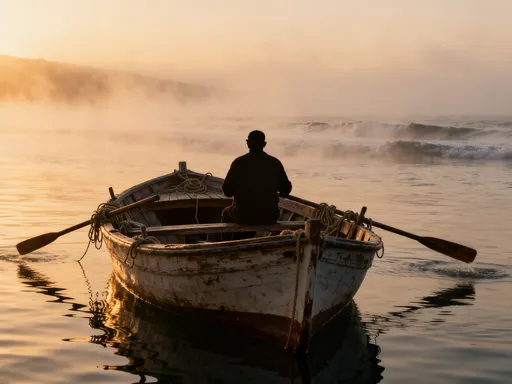
Adamas, the main port of Milos, comes alive before sunrise. Fishing boats return from the night’s work, their decks glistening with seawater and silver fish. Vendors unload crates, sorting octopus, sardines, and red mullet with practiced hands. The air smells of salt, diesel, and fresh seafood. This is not a performance for tourists; it is the rhythm of daily life, a ritual passed down through generations. For the photographer, it is a rare opportunity to document authenticity in motion.
To photograph this scene ethically, begin with distance. Use a telephoto lens (70–200mm) to capture details without intrusion—hands scaling fish, nets being coiled, faces lit by the first light. Wait for moments of concentration, laughter, or quiet reflection. Avoid flash, which can disrupt the natural atmosphere. If you wish to move closer, approach with respect. A simple “Kalimera” (good morning) and a gesture toward your camera can open a conversation. Many fishermen are proud of their work and happy to be photographed, especially if you show genuine interest.
One of the most meaningful practices is to return the photos. If you have a digital camera or smartphone, show the images to your subjects on the spot. Better yet, send printed copies later if you have contact information. This small act builds trust and reciprocity, transforming photography from extraction to exchange. I once spent three mornings at Adamas Harbor, returning each day with printed photos from the previous one. By the third day, I was invited onto a boat for a short ride—a gesture of welcome that no lens could have captured alone.
The early light enhances the mood, casting soft, warm tones across the water and wooden docks. Use this to your advantage. Shoot reflections in puddles, silhouettes against the rising sun, or close-ups of fish scales catching the light. These details elevate the narrative, turning a documentary scene into a visual poem. The key is not to rush. Let the moment unfold. Some of the most powerful images are taken after the action ends—when the boats are tied up, the crates are gone, and a single fisherman sits quietly with a cup of coffee, looking out to sea.
Beyond the Lens: How Photography Deepens Cultural Connection
Photography on Milos is not just about capturing beauty; it is about cultivating connection. Every time you raise your camera with intention, you make a choice—to see, to honor, to remember. The most striking images are not always the most technically perfect, but those that carry emotion, context, and respect. A wrinkled hand holding an oar, smoke rising from a village oven, a child running through a courtyard with a wooden fishing net—these are the moments that speak across languages and time.
Slowing down to photograph thoughtfully changes the nature of travel. It shifts the focus from consumption to communion. Instead of moving from one landmark to the next, you begin to notice patterns—how light falls on a wall at 4 p.m., how an old man greets his neighbor every morning, how the sea changes color with the weather. These observations deepen your understanding of place. They remind you that culture is not a spectacle, but a way of being.
Milos does not need to be loud to be powerful. Its strength lies in subtlety—in the quiet persistence of tradition, the dignity of labor, the beauty of imperfection. As photographers, we have the privilege and responsibility to reflect that truth. Let your images be acts of gratitude. Let them honor the people who live here, the history that shaped them, and the land that sustains them. When done with care, photography becomes more than art—it becomes a bridge, a memory, a quiet promise to see the world deeply, and to share that vision with respect.