You Won’t Believe What I Ate at Melbourne’s Hidden Food Markets
Melbourne isn’t just about coffee and trams—its food scene is a full-on adventure. I wandered through bustling laneways and quiet corners, discovering markets where flavors explode and every bite tells a story. From sizzling street food to handmade pasta you can’t find anywhere else, the city blends culture and cuisine like nowhere else. This isn’t just shopping—it’s taste, texture, and real connection, all in one unforgettable experience. The air hums with possibility, from the first whiff of freshly ground coffee to the golden crunch of a perfectly fried dumpling. Every stall holds a promise, every vendor a story, and every meal becomes a memory etched in flavor.
The Heartbeat of Melbourne: Food as Culture
Melbourne’s identity is written in its food. More than any landmark or skyline, it is the scent of roasting coffee, the sizzle of garlic in olive oil, and the laughter echoing through open-air markets that define the soul of this city. As one of the most multicultural cities in the world, Melbourne draws culinary inspiration from over 200 nationalities. This diversity isn’t just reflected in the menu—it’s embedded in the rhythm of daily life. Food markets act as living archives of cultural heritage, where recipes passed down through generations are prepared with pride and shared without pretense.
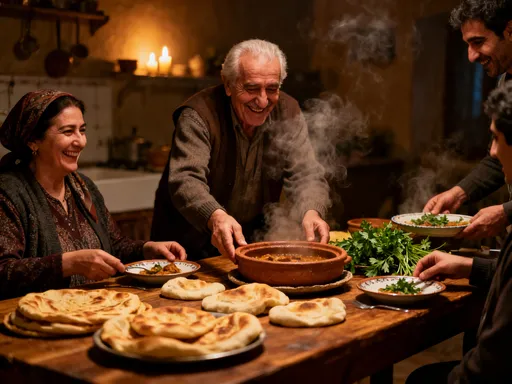
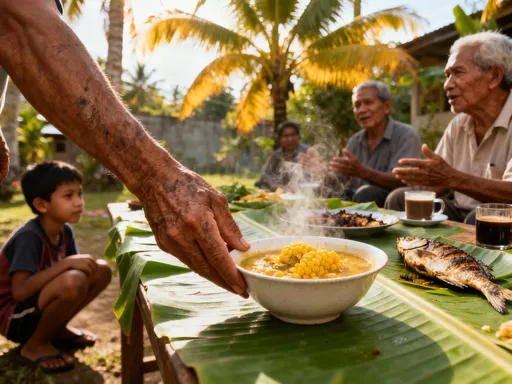
The Queen Victoria Market, affectionately known as “Vic Market,” stands as the beating heart of this edible mosaic. Open since 1878, it is Australia’s largest open-air market and a cornerstone of Melbourne’s food culture. Here, the aromas of Moroccan tagines mingle with the smoky scent of Japanese yakitori, while Italian nonnas hand-roll gnocchi beside Vietnamese families packing fresh herbs into banana leaves. The market isn’t just a place to buy food—it’s a gathering space where stories unfold over shared platters and spontaneous conversations spark between strangers. Children sample halal lamb skewers while elders bargain for seasonal mushrooms, creating a tapestry of connection woven through food.
Beyond the tourist brochures, smaller neighborhood markets reflect the quiet authenticity of local life. In Footscray, the market pulses with West African energy—spices like suya pepper and dawadawa fill the air with deep, earthy warmth. At Prahran Market in South Yarra, European traditions thrive in delicatessens offering house-cured charcuterie and aged cheeses from small dairies in Gippsland. These spaces are not curated for spectacle; they exist to serve communities, nourish families, and preserve culinary legacies. To visit them is to witness food not as commodity, but as culture in motion.
Laneways to Hidden Eateries: Beyond the Main Streets
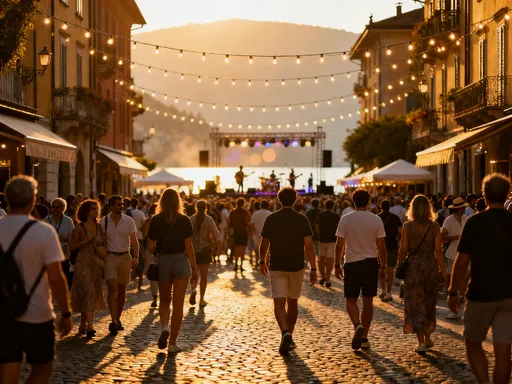
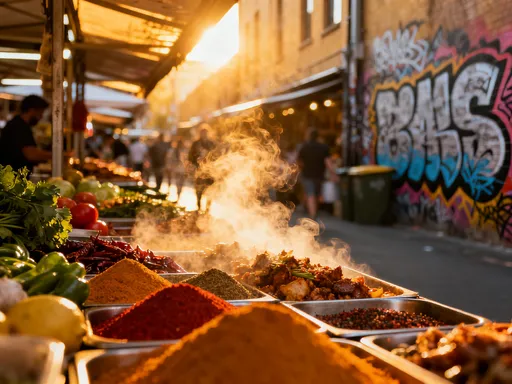
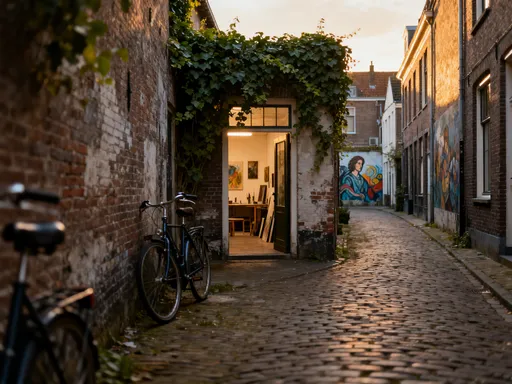
One of Melbourne’s greatest charms lies in its ability to surprise. Just beyond the polished storefronts of Bourke Street or Collins Street, a network of narrow laneways unfolds like secret passages to another world. Dotted with graffiti art and strung with fairy lights, these alleys hide pop-up food stalls, underground bakeries, and seasonal market collectives known only to those who wander with curiosity. It’s here, away from the guidebooks, that the true spirit of Melbourne’s food adventure reveals itself.
Take Hardware Lane, where lunchtime transforms the cobblestones into a bustling open-air dining room. One stall serves Turkish gözleme—hand-stretched flatbreads filled with spinach and feta, cooked on a convex griddle until crisp and golden. Two doors down, a Thai vendor flips rice noodles in a wok so hot it sends flames leaping into the air. The scent of lemongrass and chili follows you like a trail, leading to a hidden courtyard where a Greek souvlaki master stacks pita bread fresh off the grill. These moments aren’t staged—they’re spontaneous, vibrant, and deeply human.
Even more elusive are the weekend-only markets that appear like culinary mirages. The Rose Street Artists’ Market in Fitzroy combines handmade crafts with food stands run by refugee chefs introducing dishes from Sudan, Syria, and Somalia. A simple lentil stew, simmered with cumin and turmeric, becomes an edible act of resilience and welcome. Nearby, the Collingwood Children’s Farm hosts a farmers’ market where urbanites trade city stress for farm-fresh eggs and honey harvested from on-site hives. These spaces thrive on word-of-mouth, their locations shared in whispers among food lovers who value authenticity over convenience.
What sets these hidden spots apart is not just what they serve, but how they make you feel. There’s no rush, no scripted experience—only the pleasure of discovery. The vendor who remembers your name, the child who offers a sample of homemade jam, the elderly couple sharing a pie on a park bench—these are the moments that linger long after the last bite. In Melbourne, the best meals are often found not by planning, but by wandering.
Farm to Table, Market to Plate: Freshness You Can Taste
Melbourne’s food excellence is rooted in its geography. Nestled between the fertile plains of Victoria’s western districts and the cool-climate vineyards of the Yarra Valley, the city enjoys unparalleled access to fresh, seasonal produce. This proximity allows markets to offer ingredients at their peak—tomatoes still warm from the sun, herbs clipped that morning, milk delivered within hours of milking. The result is a standard of freshness that transforms even simple dishes into revelations.
At the weekend farmers’ markets, the journey from soil to plate is visible in every crate and basket. At the Bayside Farmers’ Market in Brighton, a fourth-generation orchardist displays rows of heirloom apples—crimson lady, pink lady, and granny smith—each with its own tartness and crunch. Nearby, a dairy farmer from Macedon Ranges offers raw milk cheeses aged in natural caves, their rinds blooming with edible mold that speaks of time and care. These producers don’t just grow food—they steward land, honor tradition, and invite customers into a relationship built on transparency and trust.
The Northern Rivers Organic Farmers’ Market in Heidelberg is another testament to this farm-to-market ethos. Stalls overflow with purple kohlrabi, rainbow chard, and finger limes bursting with citrus caviar. A beekeeper explains how his hives follow the bloom of native tea trees, producing honey with a subtle eucalyptus finish. Shoppers linger, asking questions about growing practices, animal welfare, and seasonal availability. This isn’t transactional shopping—it’s education, engagement, and appreciation rolled into one.
What makes these markets truly special is the direct connection between grower and eater. Without middlemen or packaging lines, the food retains its integrity. A carrot still dusted with soil tastes more alive; a free-range egg with a deep orange yolk speaks of pasture-raised hens. And when you buy directly from the person who grew it, you’re not just feeding your family—you’re supporting a system that values sustainability, ethics, and flavor above all.
Artisan Makers and Family Stalls: Stories Behind the Food
In Melbourne’s markets, every jar, loaf, and wheel of cheese comes with a backstory. These are not mass-produced goods churned out in factories, but handcrafted creations born of passion, patience, and generations of knowledge. Behind each stall is a person—a maker who wakes before dawn to knead dough, stir preserves, or age salumi in climate-controlled rooms. Their work is both art and labor, and their presence turns shopping into a dialogue.
At the Carlton Farmers’ Market, Maria, a Sicilian immigrant, sells caponata made from eggplants grown in her backyard. She stirs the sweet-and-sour mixture in a copper pot passed down from her grandmother, adding capers harvested from a bush she brought from Palermo. “This isn’t just food,” she says, offering a sample on crusty bread. “It’s memory.” Her stall, draped in strings of dried peppers and bottles of homemade olive oil, feels like a living kitchen. Customers don’t just buy—they listen, learn, and return week after week for the taste of tradition.
Not far away, James, a third-generation olive oil producer from the Mornington Peninsula, displays bottles of cold-pressed oil in varying shades of green and gold. His family has tended olive groves since the 1950s, and he still uses the same stone mill to crush the fruit. “The oil should taste green, grassy, with a little pepper at the back,” he explains, drizzling a sample onto a slice of sourdough. “If it’s bland, it’s not real.” His commitment to quality has earned him a loyal following, and his oil now graces the tables of some of Melbourne’s finest restaurants.
Then there’s Elsie, a 72-year-old sourdough baker who has been feeding her natural starter for over 50 years. Every Friday, she sets up at the Malvern Market with loaves that crackle when tapped and smell of wild fermentation. “People say I should retire,” she laughs, “but my yeast keeps me young.” Her bread sells out within an hour, not because it’s trendy, but because it’s extraordinary—dense, tangy, and deeply satisfying. To buy from Elsie is to participate in a legacy, to eat something that cannot be replicated by machines or algorithms.
Coffee, Culture, and Conversation: The Role of Cafés in Food Shopping
No exploration of Melbourne’s food markets is complete without acknowledging its world-famous coffee culture. Here, coffee is not a caffeine fix—it’s a ritual, a craft, and a social connector. Baristas are revered as artists, and the perfect flat white is pursued with near-spiritual devotion. This obsession doesn’t end at café doors; it spills into the markets, where coffee becomes both fuel and flavor.
At Degraves Street, a narrow lane beneath Flinders Street Station, the aroma of espresso pulls you into a subterranean café where patrons sip lattes at marble counters. Nearby, a specialty roastery offers single-origin beans from Ethiopia, Colombia, and Papua New Guinea. The owner, a former agronomist, explains how the altitude and soil of each region affect the bean’s acidity and body. “Taste this,” he says, handing over a cup with a velvety crema. “It’s like drinking sunlight.” Shoppers fill cloth bags with whole beans, knowing they’ll brew something exceptional at home.
Coffee breaks are not pauses in the market experience—they are extensions of it. Sipping a perfectly pulled shot while watching a dumpling vendor steam buns creates a sensory harmony. The bitterness of dark roast complements the sweetness of a berry tart; the warmth of a cappuccino cuts through the richness of a pork bao. And because many roasters source directly from small farms in Central and South America, buying coffee becomes an act of global connection. You’re not just drinking—it’s a quiet form of solidarity with farmers who grow under shade trees and pay fair wages.
Even the simple act of waiting for your coffee becomes social. Strangers strike up conversations over shared tables. Vendors step out to greet regulars. A child draws on a napkin while parents debate the merits of light versus medium roast. In these moments, the line between customer and community blurs. Coffee, in Melbourne, isn’t just a drink—it’s the glue that binds the food experience together.
Smart Shopping: How to Navigate Markets Like a Local
To truly enjoy Melbourne’s food markets, a little preparation goes a long way. While spontaneity has its rewards, knowing when to go, what to bring, and how to interact can transform a good visit into a great one. Locals have mastered the rhythm of market days, and with a few simple tips, visitors can do the same.
Timing is everything. Most weekend markets open at 8 a.m. and are at their liveliest by 10 a.m. Arriving early means first pick of fresh produce, warm pastries, and limited-edition items like house-made ricotta or seasonal jams. By noon, popular stalls may sell out, and lines grow longer. If you prefer a quieter pace, mid-morning to early afternoon offers a balance of availability and atmosphere. Weekday markets, like the Queen Victoria Market’s night markets on Thursdays, provide a more relaxed experience with live music and extended hours.
Bring a reusable tote bag or two—many vendors avoid plastic, and you’ll carry everything from bread to honey to fresh herbs. A small cooler bag is useful if you’re buying perishables like cheese or meat. Cash is still king at smaller stalls, though most now accept contactless payments. Having both ensures you won’t miss out on a rare find. And don’t forget a water bottle—tasting adds up, and staying hydrated keeps your palate sharp.
Engaging with vendors is part of the fun. Ask where their ingredients come from, how they make their products, or what’s best this week. Most are eager to share, and a simple “What do you recommend?” can lead to a sample, a story, or a new favorite. Tasting is encouraged, but be respectful—don’t over-sample, and always buy if you’ve tried multiple items. And remember, haggling isn’t customary; prices reflect fair pay for quality work.
Finally, go with a loose plan. Focus on one or two markets per day to avoid burnout. Let your nose guide you. Try something new—maybe a Middle Eastern spice blend, a fermented drink, or a dessert you can’t pronounce. Take notes, snap photos, and savor the moment. The best market visits aren’t about collecting items, but about collecting experiences.
Why This Matters: The Future of Food Experiences
Melbourne’s food markets offer more than delicious meals—they present a vision for the future of travel and eating. In an age of globalized chains and algorithm-driven choices, these spaces stand as oases of authenticity, connection, and care. They remind us that food is not just fuel, but a bridge between people, cultures, and places.
When you buy a jar of honey from a beekeeper who tends hives in city parks, you support urban sustainability. When you taste a dumpling made by a woman who fled war and rebuilt her life through food, you honor resilience. When you chat with a farmer about crop rotation or soil health, you become part of a conversation about the planet’s future. These interactions transform tourism from passive consumption into active participation.
Moreover, Melbourne’s model shows that cities can thrive by celebrating local identity rather than erasing it for mass appeal. Markets preserve heritage, empower small businesses, and foster community resilience. They prove that economic vitality and cultural richness can grow side by side. For travelers, choosing markets over malls means choosing depth over convenience, stories over souvenirs, and realness over replication.
As the world becomes more interconnected, the value of these human-scale experiences only grows. The future of food travel lies not in chasing trends, but in seeking truth—in the taste of soil, the warmth of a handshake, the pride in a well-made loaf. Melbourne’s hidden food markets don’t just feed the body; they nourish the soul. So the next time you visit, don’t just eat. Listen. Learn. Connect. And let every bite remind you that the best journeys are tasted, not just seen.