Soulful Bites and Rolling Vines: A Wanderer’s Taste of the Cape Winelands
Have you ever tasted a place and felt like you understood it instantly? The Cape Winelands of South Africa isn’t just about wine—it’s slow mornings with rooibos tea, farm stalls bursting with warm bread, and meals that tell stories of generations. Wandering here means following your nose: from spicy bobotie to smoky braai aromas. Every bite feels authentic, every flavor deeply rooted in the land. This is not a destination measured in landmarks, but in lingering tastes—the tang of pickled fish at a roadside stand, the sweetness of apricot jam made from orchard-ripened fruit, the warmth of a shared meal under a thatched roof. In the Winelands, food is memory, tradition, and welcome all at once.
The Rhythm of Wandering Through Flavor
The Cape Winelands offer more than scenic vineyards—its soul lives in the food. This journey isn’t planned; it unfolds through chance encounters at family-run farms, bustling village markets, and hidden kitchens. Unlike typical tourist trails, wandering allows immersion in daily rhythms where food is tradition, not performance. Here, meals aren’t just eaten—they’re experienced. From the scent of cinnamon-kissed Cape Malay dishes to the crunch of freshly baked koeksisters, each flavor reveals cultural layers. Wandering becomes a way to taste authenticity, one spontaneous stop at a time.
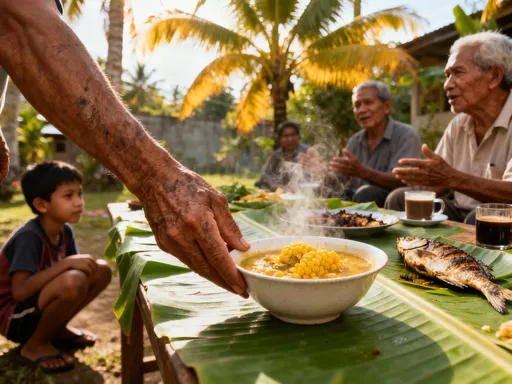
What sets this region apart is not only the quality of its produce but the intimacy of its culinary culture. Meals are often prepared with ingredients harvested the same morning—tomatoes still warm from the sun, herbs clipped from kitchen gardens, dairy from nearby farms. There is a quiet pride in this way of eating, a respect for seasonality that feels both natural and deeply intentional. Visitors who slow down and wander without rigid itineraries often find themselves invited into spaces not listed on maps: a backyard tea shared with a local elder, a last-minute invitation to a home-cooked supper, or a recipe whispered over a market stall.
This kind of travel rewards patience and openness. It asks you to walk instead of drive, to pause instead of rush, to listen instead of speak. And in return, it offers something rare: a genuine connection to place through taste. The Winelands do not perform for visitors—they simply live, and in that living, they feed both body and spirit. Whether it’s a steaming bowl of potjiekos simmered for hours in a cast-iron pot or a slice of almond cake dusted with powdered sugar, each dish carries the weight of history and the lightness of daily joy.
Strolling Through Stellenbosch: Where History Meets Hunger
Stellenbosch, with its oak-lined streets and colonial charm, sets the stage for culinary discovery. A morning walk leads to a local market where farmers sell wild sorrel jam and free-range eggs. One small deli, tucked behind a centuries-old church, serves slow-roasted lamb sandwiches drizzled with apricot chutney—simple, yet unforgettable. The town blends heritage and hunger, where university students sip coffee beside elders discussing recipes passed down through decades. You don’t need a guidebook; just follow the buzz near the village square and let curiosity lead.
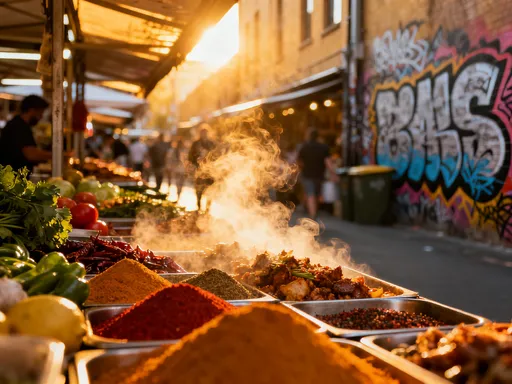
The heartbeat of Stellenbosch’s food culture pulses strongest in its independent vendors and long-standing family businesses. At the weekly Neelsie Street Market, students and locals mingle beneath shaded stalls, sampling samoosas filled with spiced lamb, sipping rooibos iced tea, or biting into golden-brown vetkoek stuffed with minced meat and onion. These are not novelty bites—they are staples, beloved across generations. Nearby, a fourth-generation baker pulls loaves from a wood-fired oven, the scent of sourdough weaving through the morning air like an invitation.
What makes Stellenbosch special is its balance between academic energy and agricultural tradition. The presence of a major university brings youthful curiosity, while the surrounding vineyards and orchards root the town in the land. This duality shows in its food: modern cafes serve cold-pressed juices alongside traditional melktert, and wine estates offer tasting flights paired with artisanal biltong and aged cheese. Yet, even amid sophistication, simplicity reigns. A meal at a family-run guesthouse might consist of roasted pumpkin, buttered spinach, and grilled line fish—unfussy, deeply satisfying, and reflective of the region’s bounty.
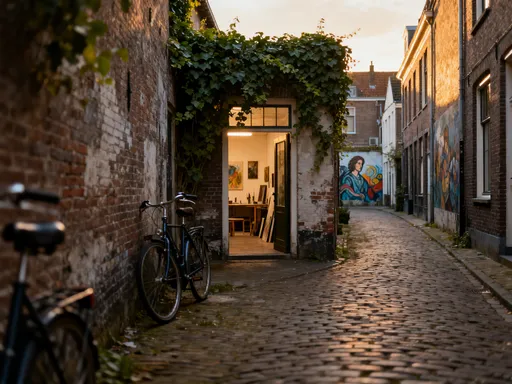
For the wandering traveler, the key is to avoid the main tourist corridors. Step down cobblestone lanes, peek into courtyard gardens, and enter unmarked doors where the smell of baking bread promises warmth. These are the places where conversation flows easily, where a smile earns you a taste of something fresh from the kitchen, and where food feels less like a transaction and more like hospitality. In Stellenbosch, every meal is a story waiting to be shared.
Franschhoek’s Kitchen Culture: More Than Just a Food Valley
Known for fine dining, Franschhoek also hides humble gems. Beyond acclaimed restaurants, backyard bakeries offer warm melktert (milk tart) straight from the oven. A Saturday farmers’ market draws chefs and families alike, sampling ostrich sausages and honey from mountain hives. One family-run estate hosts long-table lunches where guests break bread with winemakers. Here, food isn’t exclusive—it’s shared. The valley’s French Huguenot roots echo in flaky pastries and herb-laced stews, blending old-world techniques with South African boldness.
Franschhoek, which means “French Corner,” carries its heritage in both architecture and appetite. In the 17th century, French Huguenots fleeing religious persecution settled here, bringing with them winemaking traditions and a reverence for good food. Their legacy endures in the valley’s rolling vineyards and in its approach to cooking: meticulous, flavorful, and deeply rooted in seasonality. Yet, over time, this European foundation has been enriched by indigenous Khoisan knowledge, Malay spices, and Cape Dutch influences, creating a cuisine that is uniquely South African.
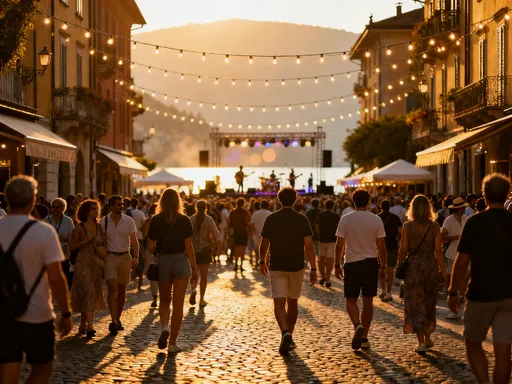
The Franschhoek Farmers’ Market, held every weekend, is a vibrant expression of this fusion. Under large white tents, vendors display platters of cured meats, baskets of heirloom tomatoes, jars of wildflower honey, and trays of golden koeksisters. A chef might be seen sampling goat’s milk feta, while children reach for warm mince pies cooling on wire racks. Live music drifts through the air as families picnic on picnic blankets, sipping sparkling wine and tearing into sourdough baguettes filled with smoked trout and dill.
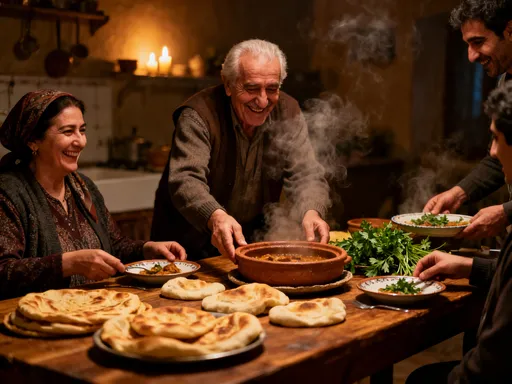
Yet, the true magic of Franschhoek lies beyond the market. A short walk from the main road, a modest cottage with a hand-painted sign sells tarts made from a grandmother’s recipe—almond, lemon, and custard, each dusted with cinnamon. At a working vineyard, visitors are welcomed not just for wine tastings but for shared lunches in the garden, where platters of charcuterie, pickled vegetables, and fresh bread are passed around long wooden tables. These moments feel spontaneous, generous, and deeply human. In Franschhoek, fine dining and home cooking are not opposites—they are parts of the same table.
Paarl’s Hidden Corners: Flavors Beyond the Vine
Often overlooked, Paarl delivers raw, unfiltered taste. A roadside stall near the granite domes sells boerewors rolls with tangy mustard, cooked over open fire. Locals gather at a modest canteen serving bredie (a slow-cooked stew) with sourdough from a wood-fired oven. The city’s Afrikaans heart beats strongest in home-style cooking—unfussy, hearty, and generous. Even a quick stop at a neighborhood spaza (small grocery) reveals pickled fish and homemade samoosas, offering a direct line to everyday life.
Paarl, nestled between dramatic rock formations and fertile valleys, is less polished than its neighbors, and that is precisely its charm. While Stellenbosch and Franschhoek attract curated tourism, Paarl remains grounded in daily life. Its food reflects this authenticity—nourishing, robust, and made to satisfy. At a community hall turned weekend eatery, women in aprons serve plates of samp and beans with grilled chicken, their laughter mingling with the sizzle of fat on hot coals. This is food without pretense, born of necessity and perfected by time.
The city’s Afrikaans-speaking communities have preserved recipes that speak of resilience and resourcefulness. Bredie, a slow-simmered stew often made with lamb or mutton and tomatoes, is a staple at Sunday lunches. It is served with rice or crusty bread, its deep flavor developed over hours of patient cooking. Another favorite, waterblommetjie bredie, features the edible buds of a native aquatic plant, foraged from seasonal wetlands and stewed with onions and vinegar. These dishes are not commonly found in tourist restaurants, but they are central to local identity.
For the wandering food lover, Paarl offers rare access to culinary traditions that have changed little over generations. A visit to a local church bazaar might yield a slice of koe’sister—spiced, syrup-soaked dough rolled in coconut—or a paper cup of warm rooibos tea sweetened with honey. At a roadside fruit stand, farm-fresh peaches, plums, and nectarines are sold by the basket, their skins still dusty from the orchard. These are not experiences staged for visitors; they are slices of real life, available to those willing to explore beyond the guidebook.
The Art of Slowing Down: How Wandering Enhances Taste
Rushing kills flavor. Only by wandering—without schedules or checklists—can you catch the moment when a baker pulls hot bread from the oven or a vendor offers a free taste of pepernoten (spiced cookies). Time slows in the Winelands, allowing space to savor textures, ask questions, and learn. This mindfulness transforms eating into connection. You begin to notice how soil, sun, and story shape each dish. That’s the magic: food becomes memory, not just fuel.
In a world where travel often means ticking off attractions, the Winelands invite a different rhythm. Here, the most meaningful experiences are not found in timed tours or five-star menus, but in unplanned pauses. It might be a conversation with a farmer at a roadside stall, who explains how the summer drought affected his peach harvest. Or a grandmother at a market who shares the secret to her perfect koeksister—“cold water, slow frying, and plenty of love.” These moments cannot be scheduled, but they linger far longer than any photo.
Slowing down also changes the way you taste. When you sit for an hour at a village café, watching the afternoon light shift across the square, you notice details: the crunch of a perfectly baked crust, the balance of spice in a chutney, the creaminess of homemade butter. You begin to appreciate not just what you’re eating, but why it tastes that way—the mineral-rich soil, the coastal breeze, the generations of knowledge behind the recipe. This awareness deepens the experience, turning a simple meal into a quiet celebration of place.
Moreover, wandering fosters connection. When you walk into a small-town bakery without a reservation or an agenda, you are seen not as a customer but as a guest. The owner might offer you a taste of something new, or recommend a hidden trail where wild asparagus grows. These interactions are built on trust and curiosity, and they often lead to the most memorable meals. In the Winelands, the best food is not found—it is discovered, patiently, through presence.
Practical Wandering: Choosing Paths That Lead to Flavor
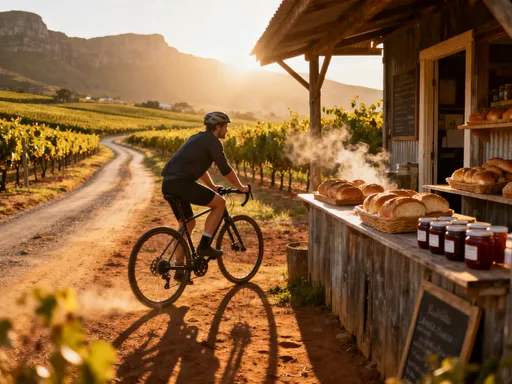
To eat like a local, avoid tourist-heavy routes. Rent a bike to explore backroads connecting farms. Visit during weekday mornings when markets are restocking and crowds are thin. Carry cash—many small vendors don’t take cards. Talk to people: ask a shopkeeper where they eat lunch or which pie their grandmother makes best. These small choices open doors to genuine experiences. A detour for “the best milk tart in town” might lead to a family kitchen, not a café.
Planning enhances discovery, even when the goal is spontaneity. Start by identifying towns with strong agricultural roots—Stellenbosch, Franschhoek, Paarl, and Tulbagh are all rich in food culture. Look for weekly markets, farm stalls, and community events, which often appear on local tourism websites or social media pages. Arrive early, when produce is freshest and vendors are most relaxed. Bring a reusable bag and an open mind.
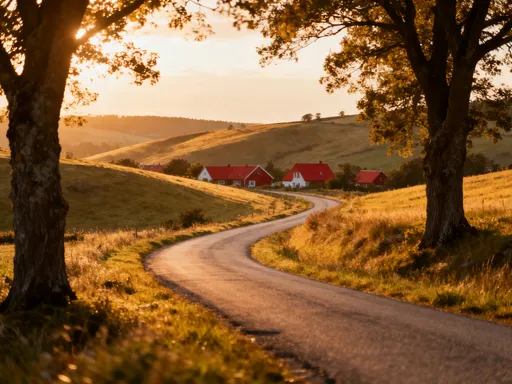
Transportation plays a key role. While driving offers flexibility, cycling or walking allows deeper immersion. Quiet country roads link vineyards, orchards, and homesteads, often marked by hand-painted signs pointing to “Fresh Eggs” or “Homemade Jam.” These paths lead to encounters that cars miss: a farmer offering a taste of just-picked figs, a child selling jars of wild honey from a roadside table, a family inviting you to try their homemade biltong.
Language and etiquette matter, even in small ways. A simple “Good morning” in Afrikaans or Xhosa can brighten a vendor’s day. Asking permission before taking photos shows respect. Tipping at informal stalls, even modestly, acknowledges effort. Most importantly, listen. The best recommendations come from locals—where to find the flakiest melktert, which farm grows the sweetest strawberries, or when the next church supper will be held. These invitations are often extended quietly, through a smile or a whispered suggestion. To receive them, you must be present.
Conclusion: Carrying the Taste of the Land Forward
The Cape Winelands lingers not in photos, but in palate and spirit. Wandering through its food culture teaches appreciation for simplicity, seasonality, and soul. Each bite carries history, from indigenous knowledge to immigrant influence. The journey reminds us that the best meals aren’t found—they’re discovered, patiently, one unplanned moment at a time. Let the flavors guide you; they know the way.
This region offers more than a vacation—it offers a reconnection to the rhythms of eating as it was meant to be: slow, seasonal, and shared. In a world of fast food and digital distractions, the Winelands stands as a quiet counterpoint, where meals are still made by hand, conversations unfold over long tables, and hospitality is not a service but a way of life. For the 30- to 55-year-old woman who values tradition, family, and meaningful experiences, this is a journey that nourishes both body and heart.
When you return home, you may find yourself reaching for rooibos tea in the evening, or trying to recreate a stew whose recipe was never written down. You may tell stories not of landmarks, but of people—the baker in Stellenbosch, the grandmother in Paarl, the winemaker in Franschhoek who poured you a glass “just because it pairs well with sunset.” These are the true souvenirs of the Winelands: not trinkets, but tastes; not sights, but sensations.
And perhaps, in your own kitchen, you begin to cook differently—slower, with more attention, more gratitude. You plant herbs in pots on the windowsill. You invite neighbors for Sunday lunch. You teach your children the names of seasonal fruits. In this way, the spirit of the Winelands travels with you, not as a memory of where you went, but as a way of how you live. For in the end, the most profound journeys are not those that change your location, but those that change your taste of life.