What No One Tells You About Lake Como’s Festival Season
You know what’s absolutely stunning? Lake Como during festival season — the colors, music, and energy are mind-blowing. But here’s the thing: it’s not all arias and limoncello under the stars. I went expecting pure magic and got caught in crowds, overpriced chaos, and events that felt more tourist trap than tradition. This is a real look at what most travelers miss — the beautiful mess behind Como’s celebrated festival culture. You gotta see it to believe it.
The Allure of Lake Como’s Festivals
Lake Como has long been synonymous with elegance, serenity, and natural beauty. When festival season arrives — typically from late spring through early autumn — the region transforms into a living canvas of sound, color, and communal joy. The lakeside towns of Bellagio, Varenna, Menaggio, and Como city host a series of celebrations that blend centuries-old customs with modern artistic expression. These festivals are not merely entertainment; they are cultural anchors, deeply woven into the identity of local communities.
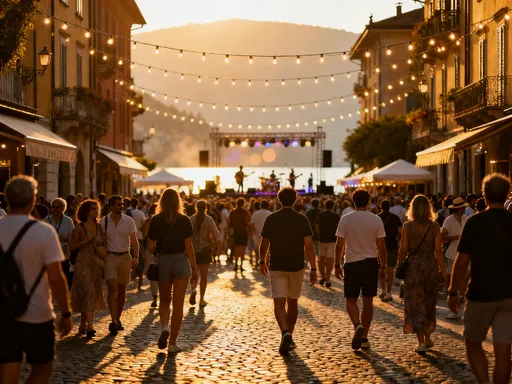
One of the most prominent events is Como Città in Festa, a multi-day celebration usually held in June or July. This lively gathering fills the city’s piazzas and waterfront promenades with food stalls, live music, and open-air performances. The atmosphere pulses with energy as families, couples, and visitors stroll beneath strings of glowing lanterns. Fireworks burst over the lake, reflecting in the dark waters like scattered stars. Equally enchanting is the Villa Carlotta Music Festival, hosted in the gardens of the historic villa in Tremezzo. Classical concerts under the shade of ancient cedars offer an experience both refined and deeply rooted in the region’s artistic heritage.
Religious festivals also play a vital role. In many villages, the feast day of the patron saint is marked with solemn processions followed by joyful festivities. The Festa di San Giovanni in June, for example, honors St. John the Baptist with candlelit parades, traditional hymns, and communal meals. These moments reveal the heart of Lake Como’s culture — a blend of reverence, resilience, and celebration passed down through generations. The lake itself seems to respond, its calm surface mirroring the warmth of human connection.
What makes these festivals so compelling to travelers is not just their beauty, but their authenticity. Unlike manufactured tourist spectacles, many of these events emerged organically from village life. They reflect agricultural cycles, religious observances, and seasonal rhythms. Visitors who attend are not just watching a show — they are stepping into a living tradition. It’s no wonder that travel magazines and influencers frequently spotlight Lake Como’s festival season as one of Europe’s most magical summer experiences.
Pitfall #1: Over-Tourism and Crowded Experiences
Yet, the very charm that draws people in has also become a source of strain. As Lake Como’s popularity has surged — fueled by celebrity homes, luxury travel features, and social media exposure — its festivals have become increasingly overwhelmed by visitors. What were once intimate community gatherings now attract tens of thousands of tourists, particularly during peak months like July and August. The result is congestion that can diminish the experience for everyone involved.
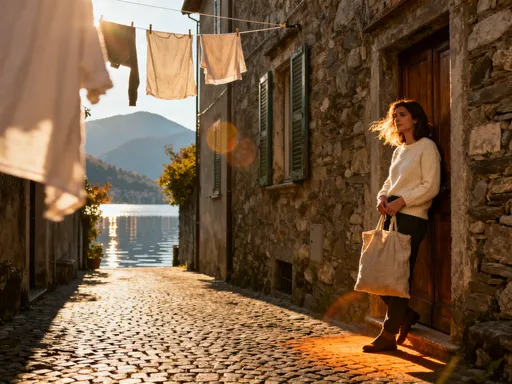
In towns like Bellagio, where narrow cobblestone streets were never designed for mass tourism, the influx of festival-goers creates bottlenecks. Pedestrian pathways become so packed that moving from one piazza to another feels like navigating a human maze. Restaurants and cafes overflow, with wait times stretching beyond an hour. Public restrooms, often limited in number, face long lines. Even the scenic waterfront promenade, usually a place of quiet reflection, turns into a shoulder-to-shoulder procession of selfie sticks and day-trippers arriving by ferry from Milan or Lugano.
Public transportation, while generally reliable, struggles to keep up. Ferries run frequently during the day, but their capacity is finite. During major events like the Como Città in Festa, services are often at full capacity, especially in the evening when crowds return after fireworks. Passengers may wait 30 to 45 minutes for a boat, standing in lines that snake along the dock. Buses connecting inland villages are less frequent and rarely equipped to handle sudden surges in demand.
Another consequence of overcrowding is the displacement of locals. In some cases, residents report feeling like strangers in their own towns during festival season. Longtime families who once gathered in the central piazza now avoid it, choosing to stay home or travel elsewhere. Traditional participation — such as children joining processions or elders sharing stories — diminishes when the focus shifts from community to crowd control. While tourism brings economic benefits, it also risks eroding the very culture it celebrates.
Data from regional tourism boards confirms this trend. In 2023, the province of Como recorded over 2.8 million overnight stays during the summer months, a 22% increase from pre-pandemic levels. Weekend festivals often see visitor numbers triple the local population. While exact attendance figures for individual events are not always published, anecdotal evidence from vendors, police, and organizers suggests that capacity limits are regularly exceeded, especially in smaller towns like Lenno or Varenna.
Pitfall #2: Commercialization vs. Authenticity
Alongside overcrowding, another subtle but significant issue is the growing commercialization of Lake Como’s festivals. As tourism revenue becomes more critical to local economies, some events have shifted in character — from grassroots celebrations to revenue-generating spectacles. This transformation is not always obvious, but it’s felt in the details: the types of vendors, the music played, and the overall atmosphere.
Walk through a festival in Como city today, and you’ll find rows of stalls selling mass-produced souvenirs — plastic keychains, generic t-shirts, and imitation leather goods. Many of these items are imported, with little connection to the region’s craftsmanship. Compare this to decades past, when local artisans sold hand-painted ceramics, woven linens, or walnut carvings — items made in nearby workshops and reflective of Lombard traditions. The loss of these authentic crafts means more than just a missed shopping opportunity; it represents a fading link to cultural identity.
Similarly, the entertainment lineup at some festivals has changed. While large stages now feature popular cover bands and international DJs, regional musicians — those who play traditional Como folk tunes or perform sacred choral works — are often relegated to side venues or excluded altogether. The goal appears to be broad appeal rather than cultural preservation. In one instance, a festival in Menaggio replaced its annual performance of local polyphonic singing with a pop concert aimed at younger audiences. Attendance increased, but longtime residents expressed disappointment, calling it “a show, not a celebration.”
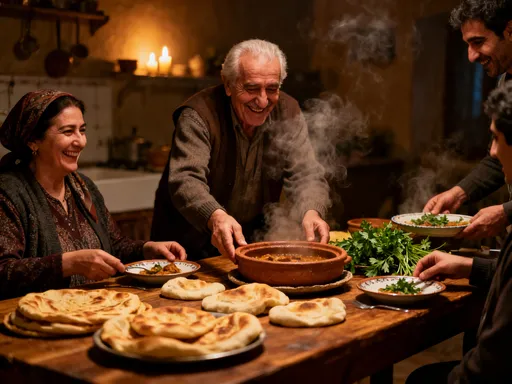
This shift is not universal, however. Smaller villages like Cadenabbia, Nesso, or Sorico still host festivals that feel deeply rooted in place. Here, you’ll find home-cooked meals served in church halls, elderly couples dancing to accordion music, and children lighting handmade lanterns for evening processions. These moments are not staged for cameras; they unfold naturally, sustained by pride and continuity. The contrast between these authentic gatherings and the more commercialized versions in larger towns is striking — and telling.
Supporting grassroots festivals matters. When travelers choose to attend events that prioritize local culture over profit, they help sustain traditions that might otherwise fade. This doesn’t mean avoiding larger festivals altogether, but being mindful of where and how you spend your time and money. Buying from local artisans, eating at family-run trattorias, and attending community-led ceremonies are small acts that collectively make a difference.
Pitfall #3: Misaligned Timing and Accessibility Issues
Even for well-prepared travelers, navigating Lake Como’s festival season can be surprisingly challenging due to inconsistent scheduling and limited accessibility. Many events are announced late — sometimes just weeks before they occur — making it difficult to plan in advance. Official websites may list only general dates without detailed programs, and updates are often posted in Italian, creating barriers for non-Italian speakers.
Information gaps extend beyond language. Some smaller village festivals rely on word-of-mouth or local bulletin boards rather than digital promotion. Tourists arriving with high expectations may find that a much-anticipated event was rescheduled or canceled due to weather, funding, or low participation. This unpredictability can lead to disappointment, especially for those with tight itineraries.
Transportation adds another layer of complexity. While ferries are the primary way to move between towns, their frequency drops significantly after dark. A boat that runs every 30 minutes during the day may operate only hourly or even less after 8 PM, just as evening festivities begin. This creates logistical headaches for visitors who want to attend a concert in Tremezzo and return to Como afterward. Missing the last ferry means either paying for an expensive taxi or altering plans entirely.
Parking is another major issue. Most lakeside towns have limited or no public parking, and what exists fills up by mid-morning. Drivers circling narrow streets in search of a spot contribute to congestion and frustration. In Varenna, for example, there is only one small municipal lot near the ferry terminal, which charges premium rates during festival weekends. Many visitors now opt to leave their cars in designated lots outside town and take the train or ferry, but signage directing to these alternatives is often unclear or missing.
For those with mobility challenges, the terrain presents additional obstacles. Historic centers are built on steep inclines with uneven stone steps and cobbled paths. Ramps and elevators are rare, and accessible restrooms are not guaranteed. While some towns have made improvements — Como city, for instance, has installed a funicular and several elevators — full accessibility remains a work in progress. Travelers with strollers, wheelchairs, or joint issues may find participation physically demanding, especially during crowded events.
Choosing the Right Festival Experience
Given these challenges, how can travelers still enjoy the magic of Lake Como’s festival season? The key lies in thoughtful selection. Not all festivals are created equal, and some offer a more authentic, enjoyable experience than others. By prioritizing smaller towns and community-centered events, visitors can avoid the worst of the crowds and commercialization while connecting more deeply with local culture.
Towns like Tremezzo, Lenno, and Gravedona are excellent alternatives to the more tourist-heavy destinations. Tremezzo, home to the stunning Villa Carlotta, hosts a summer music series that maintains a refined, intimate atmosphere. Attendance is modest, seating is well-organized, and the focus remains on artistic quality rather than spectacle. Lenno, though home to the famous Villa del Balbianello, retains a quieter charm during its local festivals, where residents still play central roles in organizing and performing.
Seek out events tied to specific traditions, such as the Festa di San Giovanni or the patron saint celebrations in early summer. These festivals often include religious processions, traditional food offerings, and folk music unique to the region. They may not have flashy light shows or celebrity performers, but they offer something more valuable: a genuine window into local life. In the village of Sorico, for example, the annual Festa del Perdono includes a lakeside blessing of the boats, a centuries-old ritual symbolizing safety and prosperity for fishermen and sailors.
To find these hidden gems, rely on trusted sources. The official Visit Como tourism website provides updated event calendars, though not all smaller festivals are listed. A better strategy is to visit local tourist information offices upon arrival. Staff are often locals who can recommend lesser-known events and provide printed programs in multiple languages. Additionally, checking municipal websites — even using a translation tool — can yield more accurate and detailed information than third-party travel blogs.
Timing also matters. Consider visiting in late May, early June, or September, when crowds are thinner and temperatures are pleasant. These shoulder months often host some of the most meaningful festivals, with higher local participation and fewer day-trippers. You’ll find a more relaxed pace, better availability for ferries and dining, and a greater chance to interact with residents.
Pro Tips for Smarter Festival Visits
To make the most of your festival experience, preparation is essential. Start by arriving early — ideally in the morning or early afternoon — to secure a good viewing spot, avoid peak crowds, and explore the town before it gets busy. Many festivals begin in the evening, but the surrounding areas come alive throughout the day. Use this time to visit gardens, churches, or lakeside paths while they’re still peaceful.
Book ferry tickets in advance when possible, especially for evening returns. The Navigazione Lago di Como website allows online reservations for certain routes and times, which can save significant waiting time. If you’re planning to move between multiple towns in one day, consider purchasing a regional transport pass that includes ferries, buses, and trains. This not only simplifies logistics but often offers better value than individual tickets.
Wear comfortable, sturdy shoes. The terrain around Lake Como is picturesque but unforgiving — centuries-old cobblestones, steep staircases, and uneven pathways are everywhere. Sandals or dress shoes may look festive, but they’re impractical for a full day of walking. A small backpack with water, sunscreen, and a light jacket is also wise, as evening temperatures can drop near the water.
Carry cash. While many vendors now accept cards, smaller stalls, especially those run by local families, often operate on a cash-only basis. Having euros on hand ensures you can buy handmade crafts, fresh pastries, or a glass of local wine without missing out. ATMs exist but may have long lines during festivals, so withdraw earlier in the day.
Finally, talk to locals. Strike up conversations with shopkeepers, bartenders, or festival volunteers. Many are proud of their traditions and happy to share insights about lesser-known events or unofficial gatherings. You might learn about a post-festival bonfire on a private beach, a spontaneous folk dance in a village square, or a family opening their garden for a private concert. These unscripted moments often become the most memorable parts of a trip.
Why These Pitfalls Matter — And How to Rise Above Them
The challenges of Lake Como’s festival season are not reasons to avoid it, but invitations to engage more thoughtfully. Overcrowding, commercialization, and accessibility issues are symptoms of a larger truth: that popularity, without stewardship, can erode the very qualities that made a place special in the first place. Yet, with awareness and intention, travelers can be part of the solution rather than the problem.
Choosing to attend smaller, locally rooted festivals supports cultural preservation. Spending money at family-run businesses sustains the regional economy in a meaningful way. Respecting local customs — dressing modestly for religious processions, keeping noise levels down at night, following waste disposal rules — shows care for the communities that welcome visitors.
Lake Como’s festival magic is still very much alive, but it requires a shift in perspective. It’s no longer enough to see the region as a postcard backdrop. To truly experience it, one must look beyond the surface — past the Instagrammable moments and into the heartbeat of daily life. The real beauty of festival season lies not in perfection, but in participation: in sharing a meal with strangers, listening to a song sung in dialect, or standing quietly as a candlelit procession moves down a lakeside path.
With mindful choices, respectful behavior, and a willingness to embrace the unexpected, travelers can help ensure that Lake Como’s festivals remain vibrant, authentic, and accessible for generations to come. The magic hasn’t disappeared — it’s simply waiting for those who seek it with open eyes and open hearts.