You Won’t Believe These Natural Wonders in Byblos, Lebanon
Tucked along Lebanon’s Mediterranean coast, Byblos is more than ancient stones and old streets—it’s a gateway to nature’s quiet magic. I never expected cliffs, sea caves, and pine forests wrapped around one of the world’s oldest cities. From crystal-clear coves to mountain trails just minutes from town, the wild beauty here hits you unexpectedly. This is real, raw, and totally unfiltered. Let me show you the side of Byblos most travelers miss.
The Timeless Pulse of Byblos
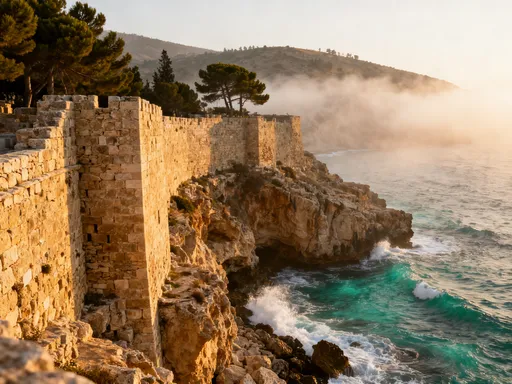
Byblos, known locally as Jbeil, stands as one of the longest continuously inhabited cities in the world, with evidence of settlement stretching back over 7,000 years. Its UNESCO World Heritage-listed old town unfolds in a labyrinth of stone alleys, crumbling Crusader walls, and Phoenician ruins that rise like whispers from the earth. Yet beyond the archaeological marvels lies a deeper rhythm—one shaped not just by human hands but by the enduring forces of nature. Here, history does not stand apart from the landscape; it grows from it. The same limestone cliffs that sheltered early seafarers still cradle the city today, while the Mediterranean, ever restless, continues to shape both coastline and culture.
What makes Byblos truly unique is how seamlessly its ancient heritage blends with the surrounding natural world. The imposing Byblos Castle, built by the Crusaders in the 12th century, sits atop a rocky promontory where the scent of wild thyme drifts up from crevices in the stone. From its ramparts, visitors gaze not only over red-tiled rooftops and bustling souks but also across an unbroken stretch of turquoise sea, where fishing boats bob gently near sea caves hidden beneath the cliffs. The city feels alive, not preserved behind glass. Olive trees grow through cracks in Roman columns, and figs ripen in the shade of Phoenician cisterns. This coexistence—of past and present, of civilization and wilderness—invites travelers to experience history not as a static exhibit but as a living, breathing continuum.
Walking through Byblos, one senses that the land itself has been a silent witness to millennia of change. The same winds that carried Phoenician traders across the Mediterranean still rustle through the pines above the harbor. The freshwater springs that once supplied ancient households continue to feed small streams that trickle down to the sea. This deep connection between people and place is palpable. Locals gather at dusk on the rocky shoreline, grilling fresh fish and sharing stories as the sun dips below the water. Children climb ancient walls like playgrounds, their laughter echoing off stone that has stood for centuries. Byblos does not merely display its past—it lives within it, and nature remains at the heart of that story.
Where the Mountains Meet the Sea
The geography of Byblos is nothing short of extraordinary. Just a few miles inland, the steep slopes of the Mount Lebanon range rise dramatically from the coastal plain, creating a striking contrast between sea and summit. This abrupt transition gives the region its unique ecological character, where Mediterranean scrubland gives way to dense pine and oak forests at higher elevations. The result is a landscape of remarkable diversity, offering everything from sun-drenched beaches to misty mountain trails—all within easy reach of the city.
One of the most ecologically significant areas nearby is the Shouf Biosphere Reserve, the largest protected area in Lebanon. Though not directly adjacent to Byblos, it lies within a two-hour drive and represents the kind of natural richness that defines the country’s interior. Home to the endangered cedar of Lebanon, the reserve shelters hundreds of plant and animal species, including wild boar, porcupines, and over 100 types of birds. While Byblos itself does not host cedar forests, the same ecological systems extend in fragmented form into the hills above the city, where pockets of native vegetation cling to rocky slopes and seasonal streams feed into the coastal aquifer.
Seasonal changes bring new dimensions to this mountain-coast dynamic. In spring, the hillsides explode with color—wildflowers like anemones, irises, and poppies blanket the terraced slopes, while bees hum through fields of thyme and sage. Autumn brings a softer beauty, with morning mists curling through the valleys and a golden light settling over the olive groves. Winter rains transform dry riverbeds into rushing streams, and though snow rarely reaches the coast, it dusts the peaks just inland, creating a breathtaking backdrop on clear days. These shifts in climate and scenery make the region a year-round destination for nature lovers, each season offering a different face of its wild soul.
For visitors, this proximity to both sea and mountain means unparalleled opportunities for exploration. A morning swim in the Mediterranean can be followed by an afternoon hike through shaded trails where the air cools noticeably with every step upward. Birdwatchers delight in the migration corridors that pass through the area, especially in spring and fall, when raptors, storks, and songbirds ride thermal currents along the coast. Whether you’re drawn to the serenity of a forest path or the drama of a clifftop vista, the meeting of mountain and sea in Byblos creates a landscape that feels both intimate and vast.
Secret Coves and Hidden Beaches
While Byblos is not known for expansive sandy beaches like those found further south, its coastline offers something far more intriguing—rugged, untouched coves carved by time and tide. These natural inlets, hidden between rocky headlands, provide some of the most serene and visually stunning spots along Lebanon’s coast. Unlike the commercialized resorts elsewhere, these beaches remain largely undeveloped, frequented mostly by locals who value their quiet charm.
To the south of the old harbor, a series of rocky platforms and small bays invite exploration. Here, the water is exceptionally clear, revealing schools of silvery fish darting among submerged stones. Natural sea pools form at low tide, creating safe, shallow basins perfect for children or those who prefer not to swim in open water. Sun-warmed limestone slabs serve as impromptu lounging spots, their smooth surfaces polished by centuries of sun and sea. It’s common to see families spread out on towels, sharing meals from woven baskets, their voices blending with the rhythmic crash of waves.
Northern coves, accessible by foot or a short drive past the fishing docks, offer even greater seclusion. These inlets are often framed by low cliffs and dotted with wild capers and sea fennel, their delicate white flowers swaying in the breeze. Swimmers here dive from natural rock ledges, plunging into cool, emerald-green waters that shimmer under the sun. The absence of crowds enhances the sense of discovery, as if you’ve stumbled upon a secret known only to a few. Some of these spots are reachable via narrow paths that wind down from the coastal road, while others require a small boat or local guidance to access safely.
The experience of these hidden beaches is deeply sensory. The smell of salt and sun-baked stone, the sound of waves echoing in sea caves, the feel of smooth rock under bare feet—all contribute to a sense of connection with the natural world. There are no lifeguards, no vendors, no music from speakers—just the elements in their purest form. For those seeking tranquility, these coves offer a rare escape from the pace of modern life. Even during peak summer months, the lack of infrastructure ensures that these places remain unspoiled, a testament to the resilience of Lebanon’s coastal wilderness.
The Magic of the Byblos Sea Caves
Beneath the rugged cliffs that flank Byblos lie some of its most mesmerizing natural features—the sea caves sculpted by centuries of relentless waves. These caverns, hidden from view at high tide, emerge as the water recedes, revealing arched entrances and shadowy interiors that seem to lead into another world. Some are small, barely large enough to enter, while others stretch deep into the rock, their ceilings pierced by skylights where sunlight filters through cracks above.
The formation of these caves is a slow, patient process. Over millennia, the Mediterranean has eroded weaknesses in the limestone, carving tunnels, chambers, and underground passages. Saltwater, rich with minerals, dissolves the rock grain by grain, while storms accelerate the work with powerful surges that hammer the coastline. The result is a network of grottoes that vary in size and shape, some adorned with stalactite-like formations, others smooth and glassy from constant water contact. Their walls glisten with moisture, coated in a fine crust of salt that sparkles in the dim light.
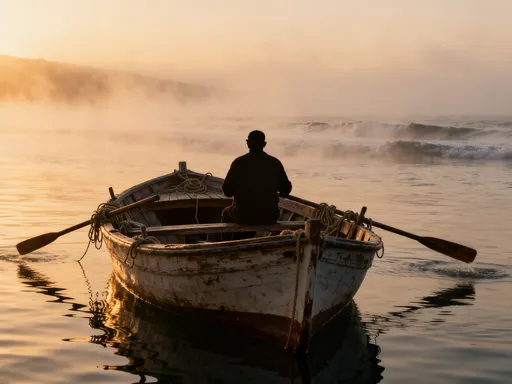
Exploring these caves is an adventure best undertaken with caution and local knowledge. Some can be viewed from coastal paths, especially at low tide, when the retreating water exposes their yawning mouths. Others are only reachable by small boat, often with the help of a fisherman familiar with the tides and currents. Stepping inside one of these caverns is a surreal experience—the air cools instantly, carrying the damp, mineral-rich scent of ancient stone. The sound of the sea echoes strangely, muffled yet omnipresent, as waves lap against submerged rock deep within. Sunlight, where it enters, casts shifting patterns on the walls, turning the water into liquid gold.
For photographers and nature enthusiasts, these caves offer unparalleled opportunities. The interplay of light and shadow, the textures of eroded rock, and the ever-changing water levels create a dynamic environment that feels almost alive. Some caves are home to small marine life—crabs, octopuses, and curious fish that dart away at the first sign of movement. While swimming inside is possible in certain spots, it requires awareness of tidal changes and strong currents. The beauty of these formations lies not just in their visual drama but in their reminder of nature’s patient, persistent power—how something as fluid as water can shape something as solid as stone over time.
Walking the Wild Trails Around Byblos
For those who prefer to explore on foot, Byblos offers a network of trails that wind through olive groves, terraced hillsides, and abandoned stone paths long forgotten by modern development. These routes connect the city to nearby villages, ancient terraces, and panoramic viewpoints, offering a slower, more intimate way to experience the region’s natural beauty. Unlike formal hiking parks, these trails are often unmarked, maintained only by local use, which adds to their sense of authenticity and discovery.
One notable route extends toward the village of Aaqoura, following an old mule path that climbs gradually through pine-scented slopes. Though not officially part of the Jeita Grotto trail system, this path shares the same ecological zone—cool, shaded woodlands where warblers flit between branches and wild herbs carpet the ground. The trail is moderate in difficulty, suitable for hikers with a basic level of fitness, and rewards travelers with sweeping views of the Mediterranean far below. Along the way, it’s not uncommon to encounter shepherds tending flocks or farmers harvesting figs and pomegranates from century-old trees.
Another popular option leads through the terraced hills surrounding Byblos, where dry-stone walls snake across the landscape like ancient stitches holding the earth together. These terraces, originally built to prevent erosion and support agriculture, now serve as natural corridors for hikers. The paths are often narrow and uneven, requiring sturdy footwear, but they offer solitude and a chance to see rural Lebanon as it has existed for generations. In spring, wildflowers bloom between the stones; in autumn, the scent of damp earth and fallen leaves fills the air. Every turn reveals a new vista—a hidden chapel, a crumbling watchtower, or a lone cypress standing sentinel on a ridge.
Practical considerations are important when hiking in this region. The best times to walk are early morning or late afternoon, especially in summer, when midday heat can be intense. Travelers should carry plenty of water, wear sun protection, and avoid venturing too far without a map or local guidance. While the trails are generally safe, some sections near cliffs lack railings, and weather conditions can make rocks slippery. Bringing a simple first-aid kit and a fully charged phone is advisable. Most importantly, hikers should respect private property and avoid disturbing wildlife or removing plants. These trails are not just recreational paths—they are part of a living landscape shaped by centuries of human and natural interaction.
Nature Through the Seasons: When to Go
The natural beauty of Byblos changes dramatically with the seasons, making timing a key factor in planning a visit. Each period of the year offers a distinct experience, appealing to different interests and travel styles. Understanding these seasonal rhythms allows travelers to align their trip with the kind of nature they wish to encounter.
Spring, from March to May, is often considered the ideal time to visit. The hills come alive with wildflowers, and the air is filled with the hum of bees and the fragrance of blooming thyme. Temperatures are mild, ranging from 18°C to 25°C (64°F to 77°F), perfect for hiking and coastal walks. This is also the season when streams run full, fed by melting snow from the mountains, and birdwatchers can spot migratory species passing through. The combination of lush greenery and pleasant weather makes spring a favorite among photographers and nature lovers.
Summer, from June to August, brings hot, sunny days ideal for swimming and beachcombing. While temperatures can climb above 30°C (86°F), the sea breeze keeps the coast comfortable, especially in the evenings. This is the busiest season, with more visitors and lively atmospheres in town, but the hidden coves and early-morning hikes remain relatively quiet. To enjoy the outdoors comfortably, it’s best to plan activities for early morning or late afternoon, avoiding the midday sun. Nighttime swims under a full moon or stargazing from the cliffs are unforgettable summer experiences.
Autumn, from September to November, offers a quieter, more reflective mood. The summer crowds have dispersed, and the landscape takes on a golden hue as olive harvests begin. Migrating birds return, and misty mornings lend a dreamlike quality to the hills. Rain becomes more frequent, but showers are often brief, followed by clear skies. This season is perfect for travelers seeking solitude and a deeper connection with the land.
Winter, from December to February, is the least crowded but most dramatic time of year. Storms roll in off the Mediterranean, crashing against the cliffs with thunderous force. While hiking conditions can be challenging, the raw power of nature is on full display. On clear days, the air is crisp and visibility extraordinary, offering some of the best views of the coastline and mountains. Winter is also the time when freshwater springs are at their strongest, feeding the small streams that sustain local ecosystems. For those who appreciate dramatic skies and moody landscapes, this season holds a quiet majesty all its own.
Traveling Responsibly in a Fragile Landscape
As more travelers discover the natural wonders of Byblos, the need for responsible tourism grows ever more urgent. The region’s beauty is fragile—shaped by centuries of balance between human activity and natural processes. Unregulated development, littering, and off-trail hiking can disrupt delicate ecosystems, from coastal bird habitats to ancient terraces that prevent soil erosion. Protecting this landscape requires conscious choices from every visitor.
One of the simplest yet most impactful actions is to stay on marked paths. While the temptation to explore untouched areas is strong, trampling vegetation or creating new trails can lead to long-term damage, especially on steep slopes where erosion spreads quickly. Carrying out all trash—including biodegradable items like fruit peels—helps preserve the cleanliness of beaches and forests. Using reusable water bottles and avoiding single-use plastics further reduces environmental impact.
Respecting protected areas is equally important. While Byblos itself does not have formal national parks, nearby reserves like the Shouf Biosphere depend on visitor cooperation to maintain their integrity. Hiring local guides not only supports the economy but also ensures that excursions follow sustainable practices. These guides often share ancestral knowledge about the land, from medicinal plants to seasonal animal behaviors, enriching the travel experience while promoting conservation.
Slow travel—taking time to walk, observe, and connect with local communities—fosters a deeper appreciation for the region’s natural and cultural heritage. Instead of rushing from site to site, travelers can savor moments: sharing tea with a farmer, learning how olives are pressed, or simply sitting in silence on a cliffside as the sun sets. These experiences leave lasting memories without leaving a trace on the environment. Ultimately, visiting Byblos is not just about seeing a beautiful place—it’s about participating in its preservation, ensuring that its wild magic endures for generations to come.
Byblos isn’t just about stepping into history—it’s about stepping into nature’s quiet embrace, where sea, stone, and sky tell a story older than words. The real magic? It’s still alive, still breathing, and waiting to be felt, not just seen.