You Won’t Believe What I Found in Lake Como’s Hidden Districts
Lake Como isn’t just about villas and views—there’s a whole other side waiting to be discovered. I wandered beyond the postcard spots and stumbled upon quiet lanes, local markets, and lakeside corners most tourists never see. Each district has its own rhythm, from buzzing Como to sleepy Bellagio. If you're looking for authenticity, not just beauty, this is where the real magic happens. Let me take you through the places that made my trip unforgettable. These hidden districts offer more than scenic backdrops—they reveal daily life, centuries-old traditions, and the quiet pride of communities shaped by lake and mountain. For travelers seeking connection over checklist tourism, this is the Como few know but many remember.
The Allure of Lake Como: More Than Just a Pretty Face
Lake Como has long been synonymous with elegance and escape. Its fame stretches from Hollywood legends to modern influencers, all drawn to the shimmering waters framed by snow-dusted Alps. The grand villas—Villa del Balbianello, Villa Carlotta, and Villa d'Este—are undeniably breathtaking, their manicured gardens spilling into the lake like scenes from a dream. Yet, for all their splendor, these landmarks often exist in isolation, visited briefly and remembered as visual postcards rather than lived experiences. The true depth of Lake Como lies not in its most photographed façades, but in the quieter districts where life unfolds without fanfare.
What makes these lesser-known corners so compelling is their authenticity. While the main attractions cater to short stays and guided tours, the surrounding neighborhoods operate on a different rhythm—one dictated by the tides of local commerce, seasonal festivals, and generational routines. Here, mornings begin with the clatter of shutters opening, the scent of espresso drifting from open café doors, and fishermen checking nets along stone jetties. These are not performances for visitors; they are the unscripted moments that define daily existence.
Exploring the districts of Lake Como offers a richer narrative. It transforms the journey from sightseeing to storytelling. Instead of viewing the lake as a static masterpiece, travelers begin to see it as a living, evolving region shaped by geography, history, and community. The shift in perspective is subtle but profound. One no longer merely observes beauty—they begin to feel its pulse. This deeper engagement is what turns a vacation into a meaningful memory, and a destination into a place of personal resonance.
Como City: Where History Meets Daily Life
At the southern tip of the lake, Como city serves as both gateway and cultural anchor. Many tourists pass through only to catch a ferry or snap a photo of the cathedral, but those who linger discover a vibrant urban center where medieval heritage and contemporary Italian life coexist. The heart of the city lies in its historic center, a maze of cobblestone alleys lined with ochre- and terracotta-toned buildings, their shutters painted in soft greens and blues. Here, time moves at a human pace—shopkeepers greet regulars by name, children dart between market stalls, and the bell of the Duomo di Como rings every hour, marking the day’s passage.
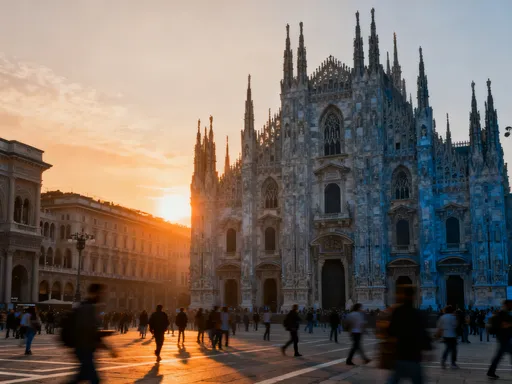
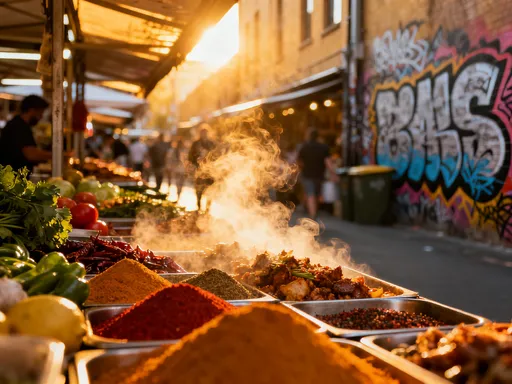
The cathedral, or Duomo, is a masterpiece of Gothic and Renaissance architecture, its pale pink stone façade still unfinished after centuries. But the real life of Como unfolds around it. Every morning, the Piazza del Popolo hosts a bustling open-air market where vendors sell fresh produce, local cheeses, and handmade pasta. The air carries the mingled scents of ripe peaches, basil, and grilled polenta. Shoppers haggle gently, baskets in hand, while elderly women in floral aprons inspect figs with practiced eyes. This is not a market staged for tourism—it is a vital part of Como’s weekly rhythm, a place where food, community, and tradition intersect.
Along the lakeside promenade, locals gather in the late afternoon, strolling or sitting on benches with gelato in hand. The view stretches across the water to the opposite shore, where mountains rise like sentinels. Small boutiques dot the side streets, offering silk ties, hand-painted ceramics, and artisanal leather goods—many made in family workshops that have operated for generations. A stop at a neighborhood café for a morning cappuccino and cornetto offers more than refreshment; it provides a window into Como’s daily rituals. These quiet moments, unremarkable to residents, become treasures for visitors who take the time to notice them.
Torno and Moltrasio: Lakeside Charm Off the Beaten Path
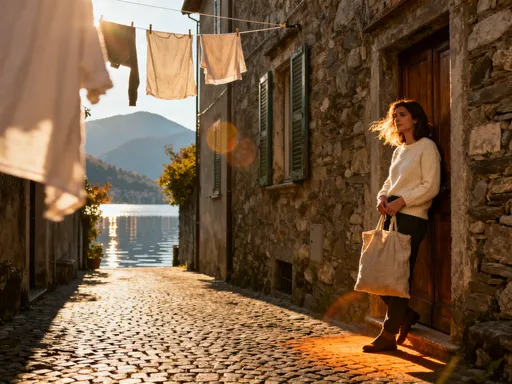
North of Como, the lake begins to narrow, and the pace slows. Torno and Moltrasio, two small villages nestled along the western shore, offer a glimpse into a quieter, more intimate side of lake life. These are not destinations for luxury shopping or celebrity spotting. Instead, they are places where families live, fishermen mend nets, and gardens bloom on terraced hillsides. The charm here lies in simplicity—stone pathways winding along the water, pastel-colored homes with flower-filled balconies, and the occasional bell from a passing ferry breaking the silence.
Torno, with its compact harbor and shaded piazzetta, feels like a village suspended in time. A few family-run trattorias serve dishes made from lake fish, slow-cooked vegetables, and polenta—meals that speak of resourcefulness and regional pride. One favorite, tucked behind the church, offers a daily menu handwritten on a chalkboard: perhaps missoltini (sun-dried agone fish) with olive oil and lemon, or risotto with perch from the lake. There are no menus in English, no online reservations—just warmth, authenticity, and food that tastes of place.
Moltrasio, just a short ferry ride away, shares a similar spirit. Its narrow streets climb gently from the shore, revealing glimpses of the lake between buildings. Stone fountains still function, fed by natural springs, and elderly residents sit outside their homes in the late afternoon sun. The village is a starting point for the Greenway del Lago, a scenic walking trail that follows the shoreline for several kilometers. This path, built on an old mule track, connects Moltrasio to neighboring villages, offering panoramic views and a chance to walk where few tourists venture. The trail is not manicured or overly marked; it invites slow exploration, with uneven steps and shaded alcoves perfect for pausing and absorbing the stillness.
What makes Torno and Moltrasio special is their lack of pretense. There are no souvenir shops, no guided tours, and no crowds. Instead, there is a sense of continuity—a feeling that life here has followed a steady course for generations. For travelers weary of polished attractions, these villages offer a refreshing contrast: beauty not curated, but lived.
Brienno and Nesso: Hidden Gems in the Western Arm
Few visitors make it to the western arm of Lake Como, where the water narrows and the mountains press close. Brienno and Nesso, tucked into this secluded stretch, are among the lake’s best-kept secrets. Accessible only by boat or narrow roads, they remain untouched by mass tourism. Here, the landscape feels wilder, the air sharper, and the silence deeper. These are not villages designed for comfort; they are communities shaped by terrain, resilience, and a deep connection to the natural world.
Brienno clings to the steep hillside, connected by a network of staircases and stone pathways. Houses stack vertically, their shutters open to catch the breeze. The village has no grand piazza or tourist office—just a small church, a café with a view, and a handful of homes where generations have lived. Walking through Brienno feels like stepping into a different era. Laundry hangs between buildings, cats nap on sun-warmed steps, and the occasional goat bell echoes from higher up the slope. There is no rush, no noise, only the rhythm of life attuned to the mountain’s contours.
Nesso, just a short distance away, is equally remote but striking in its drama. The village is built around a deep ravine where the Ente River plunges into a waterfall before meeting the lake. The 13th-century hydro-powered mill, still standing, speaks to a time when water was the engine of daily life. Locals once used its power to grind grain and saw wood—a testament to ingenuity in a place where resources were scarce. Today, the waterfall is a quiet landmark, surrounded by moss-covered stones and the hum of insects. A stone bridge, the Ponte della Civera, links the two sides of the village, its arches framing the cascade like a living painting.
For travelers seeking tranquility, Brienno and Nesso offer rare solitude. There are no hotels, few restaurants, and no souvenir stalls. Instead, there is the chance to sit by the water, listen to the rush of the falls, and feel the weight of centuries in the stone walls. These villages do not perform for visitors—they simply exist. And in that existence lies a kind of beauty that cannot be replicated, only experienced.
Bellagio and Varenna: Beauty with a Local Pulse
Bellagio and Varenna are among Lake Como’s most beloved towns, celebrated for their elegance and panoramic views. Yet, beneath their polished exteriors lies a quieter, more authentic layer—one that reveals itself only to those who wander beyond the main squares. While tourists flock to Bellagio’s luxury boutiques and flower-lined promenades, the true soul of the town lingers in its side streets and hillside paths. A short climb from the ferry dock leads to olive groves and family-run cafés where the morning espresso is served with a nod, not a receipt. These are places where locals gather, where children play in shaded courtyards, and where the pace slows even in high season.
Varenna, on the eastern shore, shares a similar duality. Its waterfront is adorned with pastel homes and manicured gardens, but behind them lies a fishing quarter where wooden boats are pulled ashore and nets hang to dry. The neighborhood gardens, tended by residents for decades, bloom with roses, lavender, and lemon trees in terracotta pots. A walk along the Sentiero del Viandante—a historic footpath—reveals views few tourists see: the lake stretching into the distance, the silhouette of the Alps, and the occasional heron standing still in the shallows.
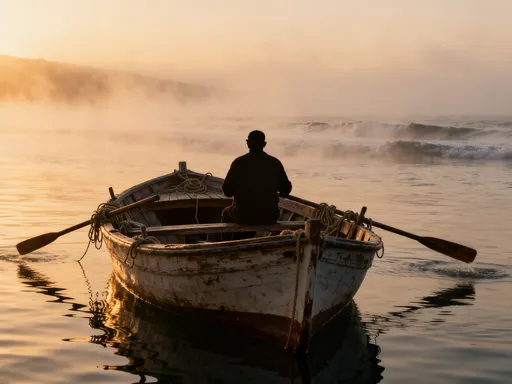
Both towns thrive on tourism, yet they have not lost their identity. Local families still run small inns, bakeries, and restaurants, passing recipes and traditions from one generation to the next. In Varenna, a favorite trattoria near the harbor serves a simple dish of lake fish baked with tomatoes and olives—a recipe unchanged for fifty years. In Bellagio, a retired fisherman sits by the dock each afternoon, mending lines and sharing stories with those who ask. These moments of connection, fleeting and unscripted, are what elevate a visit from pleasant to profound.
The lesson of Bellagio and Varenna is this: popularity does not have to mean inauthenticity. With mindful exploration, even well-known destinations can offer depth. By choosing to wander, to pause, and to engage, travelers can find the human heartbeat beneath the postcard perfection.
Practical Insights: How to Explore the Districts Like a Local
Discovering Lake Como’s hidden districts requires more than curiosity—it demands thoughtful planning. The region’s charm lies in its slowness, its resistance to haste. To experience it fully, travelers should embrace a deliberate pace and use the area’s excellent ferry network. The Navigazione Lago di Como service connects all major towns and many smaller villages, offering hourly departures and scenic routes. A day pass or weekly ticket can provide flexibility, allowing spontaneous changes of plan without financial penalty.
Timing is equally important. Mornings are ideal for visiting smaller villages like Brienno or Nesso, when the light is soft and the boats are less crowded. Arriving early also means avoiding the midday influx of day-trippers from Milan. In Como city, the market is most vibrant between 8:00 and 11:00 a.m., when locals do their shopping. By mid-afternoon, many stalls begin to close, and the energy shifts to cafés and lakeside benches.
Dining like a local means skipping the tourist menus and seeking out trattorias where the staff speak only Italian. Look for places where families eat, where the menu changes daily, and where the wine is served in carafes. Regional specialties like missoltini, tinca al forno (baked tench), and polenta uncia (polenta with cheese and butter) are not just food—they are cultural expressions. Pair them with a glass of local red, such as Inferno from the nearby Valtellina region, for a complete sensory experience.
Accommodation choices also shape the journey. Staying in a single district for several days—rather than hopping between towns—allows travelers to form connections, recognize faces, and understand local rhythms. A small family-run pensione in Moltrasio or a restored farmhouse in Torno offers more than comfort; it provides context. Engaging with hosts, asking for recommendations, and accepting invitations to neighborhood events can lead to moments of genuine hospitality.
Finally, leave room for the unplanned. Some of the most memorable discoveries happen off the itinerary: a chance conversation with a shopkeeper, a hidden path leading to a lakeside bench, a festival announced on a hand-painted sign. These moments cannot be scheduled, but they can be invited by slowing down, staying open, and traveling with curiosity rather than checklist.
Why District Discovery Transforms Your Travel Experience
Traveling through Lake Como’s districts is not just about seeing more—it’s about feeling more. When visitors move beyond the iconic villas and crowded piazzas, they begin to understand the lake not as a destination, but as a living region with distinct identities, rhythms, and stories. Each village, each neighborhood, carries its own history, shaped by geography, climate, and community. In Brienno, it’s the echo of footsteps on stone stairs; in Varenna, the scent of salt and fish at dawn; in Como, the morning bustle of the market. These details, small and fleeting, accumulate into a deeper understanding of place.
Authenticity is not a marketing term—it is a quality born of continuity. It exists in the unchanged recipes, the centuries-old mills, the daily routines that persist despite tourism. To witness these moments is to participate, however briefly, in a way of life. It fosters respect, curiosity, and connection—qualities that enrich not only the journey but the traveler. The memories formed here are not of perfect photos, but of shared smiles, unexpected kindnesses, and the quiet beauty of ordinary moments.
This kind of travel also encourages mindfulness. It asks us to slow down, to listen, to observe. In a world that often values speed and efficiency, choosing depth over breadth is a quiet act of resistance. It acknowledges that some places cannot be rushed, that true understanding takes time. Lake Como, in all its layered complexity, rewards this patience. Its hidden districts do not shout for attention—they wait, quietly, for those willing to look beyond the surface.
So the next time you plan a journey, consider not just where you’ll go, but how you’ll be there. Seek out the neighborhoods, the side streets, the places where life unfolds without an audience. Let go of the checklist and embrace the unexpected. Because the most unforgettable moments are rarely the ones you plan—they are the ones you stumble upon, like a quiet lane in Moltrasio, a shared laugh in a Como café, or the sound of a waterfall in Nesso echoing through the centuries. That is the real magic of Lake Como. And it’s waiting for you to discover it.