You Gotta See How Chicago’s Downtown Beats the Ordinary
If you think Chicago is just deep-dish pizza and skyscrapers, think again. I walked its commercial heart—from the buzz of the Loop to the sleek boutiques of Oak Street—and discovered a city that blends energy, style, and authenticity. Whether you're shopping, strolling, or just soaking in the urban vibe, Chicago’s commercial districts offer more than retail: they deliver experience. This is where architecture meets ambition, and every corner tells a story. The city pulses with a rhythm all its own—confident but never flashy, modern yet deeply rooted in history. What sets Chicago apart isn’t just its skyline, but how its downtown areas invite participation, discovery, and connection. From art-filled plazas to food-forward neighborhoods, the commercial landscape here is designed not only for business, but for life.
The Pulse of the Loop: More Than Just a Business District
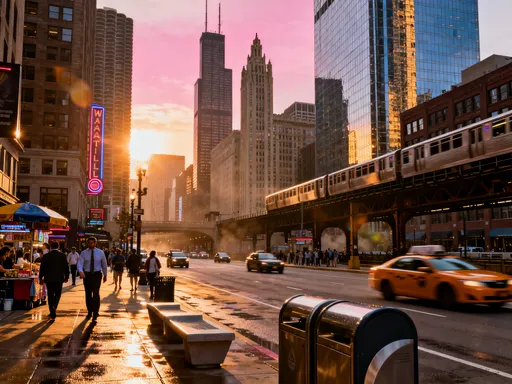
The Loop is often described as Chicago’s financial and administrative center, but reducing it to balance sheets and boardrooms misses the point entirely. As the historic core of the city, this 1.2-square-mile district has transformed into a multifaceted urban experience that blends commerce, culture, and connectivity. Towering above the streets are architectural marvels like the Willis Tower, once the tallest building in the Western Hemisphere, and the Art Deco masterpiece, the Chicago Board of Trade Building. These are not just offices—they are monuments to innovation and resilience, each with its own narrative etched in steel and stone.
What makes the Loop truly dynamic is its evolution from a 9-to-5 business hub into a 24-hour destination. During the workweek, professionals stream through underground pedways and sunlit plazas, but evenings and weekends bring a different energy. Families explore Millennium Park, tourists pause at the reflective curves of Cloud Gate—affectionately known as “The Bean”—and locals sip coffee in open-air cafes. The city’s investment in pedestrian infrastructure, including widened sidewalks and traffic-calming measures, has made walking safer and more enjoyable, encouraging spontaneous exploration.
Public art plays a vital role in shaping the Loop’s identity. From Alexander Calder’s monumental Flamingo to the abstract elegance of Marc Chagall’s Four Seasons, sculptures are integrated into the urban fabric, turning routine commutes into moments of wonder. Meanwhile, the Chicago Cultural Center, housed in a former library with a breathtaking stained-glass dome, hosts free exhibitions and performances year-round, reinforcing the idea that culture should be accessible to all. This deliberate fusion of art, architecture, and daily life sets a standard for what a downtown can be—not just a place to work, but a place to belong.
Transit remains central to the Loop’s success. As a nexus for the ‘L’ train lines and countless bus routes, it connects residents from every corner of the city. This accessibility ensures that economic opportunity isn’t confined to a single neighborhood. Even as remote work reshapes office occupancy, the Loop continues to adapt, with adaptive reuse projects converting underutilized spaces into mixed-use developments. The district’s resilience lies in its ability to balance tradition with transformation, ensuring that its pulse remains strong for generations to come.
Magnificent Mile: Retail Therapy with a View
Stretching along North Michigan Avenue, the Magnificent Mile is more than a shopping street—it’s a sensory experience. Lined with gleaming high-rises, luxury boutiques, and world-renowned department stores, this corridor draws millions of visitors annually, making it one of the most iconic commercial stretches in the United States. At its southern end, the historic Water Tower Place anchors the district, housing over 100 shops and restaurants under one roof. Just steps away, the flagship Macy’s store—once Marshall Field’s—stands as a testament to Chicago’s retail legacy, with its ornate façade and legendary Walnut Room, where generations have gathered for holiday meals.
What sets the Magnificent Mile apart is its blend of grandeur and accessibility. While brands like Gucci, Louis Vuitton, and Rolex cater to high-end shoppers, the street-level experience remains welcoming to all. Window displays are works of art in themselves, especially during the holiday season when the area hosts the annual Christmas tree lighting ceremony. The event, broadcast nationally, transforms Michigan Avenue into a winter wonderland, with thousands gathering to sing carols and watch fireworks. This tradition, now decades old, underscores the Mile’s role not just as a commercial zone, but as a communal gathering place.
For visitors, navigating the Magnificent Mile requires a mix of strategy and spontaneity. Weekends and holiday periods bring heavy foot traffic, so early mornings or weekday visits offer a more relaxed pace. Many stores participate in seasonal promotions, particularly during Chicago’s Magnificent Mile Lights Festival and post-holiday sales. Savvy shoppers often take advantage of loyalty programs or city-wide discount passes that include perks at select retailers. Meanwhile, the elevated Riverwalk, just a short walk east, provides a scenic escape from the bustle, where you can enjoy a cocktail or a meal with views of the Chicago River’s illuminated bridges.
Beyond shopping, the district supports a thriving dining and entertainment scene. From upscale steakhouses to casual grab-and-go cafes, the options reflect Chicago’s culinary diversity. Rooftop bars offer panoramic views of the skyline, especially stunning at sunset. The area also hosts pop-up markets, fashion shows, and wellness events, reinforcing its status as a lifestyle destination. With ongoing investments in public space improvements and sustainability initiatives, the Magnificent Mile continues to evolve, ensuring it remains relevant in an era of digital commerce and changing consumer habits.
River North: Where Creativity Fuels Commerce
River North occupies a unique position in Chicago’s commercial landscape—bridging the artistic and the entrepreneurial. Once a warehouse district, this neighborhood has emerged as a cultural powerhouse, known for its concentration of art galleries, design studios, and innovative restaurants. With over 60 galleries within a few square blocks, it’s considered one of the largest gallery districts in the United States outside of Manhattan. These spaces showcase everything from contemporary photography to abstract sculpture, attracting collectors, curators, and curious browsers alike.
The synergy between art and commerce here is intentional. Developers and city planners recognized early on that creative industries could drive economic growth without sacrificing authenticity. As a result, many converted loft buildings now house both working artists and boutique offices, fostering collaboration across disciplines. This blend extends to the dining scene, where chef-owned restaurants often double as informal galleries, featuring rotating artwork on their walls. The neighborhood’s energy peaks during monthly events like Gallery Night, when studios open their doors, and the streets fill with art lovers sipping wine and discussing technique.
By day, River North hums with professionals in coworking spaces and design firms. By night, it transforms into a destination for fine dining and intimate jazz clubs. Restaurants like Girl & the Goat and Boka have earned national acclaim, drawing food enthusiasts from across the country. At the same time, neighborhood cafes and wine bars maintain a local feel, ensuring that growth doesn’t come at the expense of community. The proximity to the Loop and the Magnificent Mile makes it an ideal base for both business travelers and culture seekers.
What’s particularly striking about River North is how it balances refinement with approachability. You don’t need to be an art collector to enjoy a gallery walk, nor do you need a corporate expense account to dine well. The district’s walkability—enhanced by well-lit streets and thoughtful urban design—encourages exploration on foot. As Chicago continues to invest in creative economies, River North stands as a model of how culture can be both a driver and a beneficiary of commercial success.
West Loop: The Food-Driven Economic Renaissance
If there’s one neighborhood that exemplifies how food can reshape a city, it’s the West Loop. Once dominated by rail yards and industrial facilities, this area has undergone a dramatic transformation, becoming the epicenter of Chicago’s culinary revolution. At the heart of it all is Randolph Street, affectionately dubbed “Restaurant Row,” where a single block hosts some of the city’s most celebrated dining destinations. Alinea, a three-Michelin-starred restaurant, sets the standard for avant-garde cuisine, while Girl & the Goat, RPM Italian, and Au Cheval draw crowds eager for bold flavors and inventive menus.
The rise of the West Loop wasn’t accidental. It began with chefs seeking affordable space to experiment, drawn by low rents and high ceilings in former factories. As word spread about the innovative food scene, investors followed, leading to a surge in real estate development. Today, the neighborhood is a mix of high-end condos, tech offices, and boutique hotels, all benefiting from the foot traffic generated by restaurants. Weekend brunch lines stretch around the block, and reservation apps are often booked weeks in advance, a testament to the area’s popularity.
Yet, amid the buzz, the West Loop has worked to maintain a balance between trendiness and neighborhood character. Local businesses—coffee roasters, bakeries, and neighborhood bars—coexist with celebrity chef outposts. The Randolph Street Market Festival, held seasonally in a historic warehouse, brings together vintage vendors, artisans, and food trucks, creating a community-oriented event that feels authentic rather than curated. Farmers markets also thrive here, connecting residents with regional growers and producers.
Challenges remain, particularly around parking and congestion. With limited street parking and high demand, visitors are encouraged to use public transit or ride-sharing services. The Pink Line provides direct access, making it easy to visit without a car. City planners are also exploring ways to improve bike infrastructure and expand outdoor dining zones, ensuring the area remains accessible and enjoyable. The West Loop’s story is a powerful reminder that when cities support creative industries, the economic ripple effects can be transformative.
South Loop & Printer’s Row: Quiet Growth with Big Potential
While the Loop and Magnificent Mile grab headlines, the South Loop and Printer’s Row represent a quieter, more residential form of commercial growth. Once home to printing presses and publishing houses—hence the name—Printer’s Row has evolved into a charming neighborhood of red-brick loft buildings and tree-lined streets. Today, it hosts a mix of small boutiques, independent bookstores, yoga studios, and cozy cafes that cater to families, young professionals, and empty nesters alike.
What makes this area special is its sense of intimacy. Unlike the grand scale of downtown, South Loop offers a human-sized urban experience. You can walk from a farmers market to a Pilates class to a neighborhood wine bar without ever feeling overwhelmed. Businesses here thrive on loyalty and personal connection—owners know their customers by name, and recommendations are exchanged like neighborhood currency. This close-knit atmosphere is supported by strong residential demand, as new condominium developments and rental buildings continue to rise.
Proximity to major attractions enhances the area’s appeal. Museum Campus, home to the Field Museum, Shedd Aquarium, and Adler Planetarium, is just a short walk or bike ride away. Grant Park and Lake Michigan provide endless recreational opportunities, from jogging paths to outdoor concerts. The CTA’s Red and Green Lines ensure easy access to the rest of the city, making the South Loop an ideal location for those who want urban convenience without the noise and congestion of the central business district.
City planners have taken care to preserve the neighborhood’s historic character while encouraging sustainable growth. Adaptive reuse projects have transformed old warehouses into mixed-use buildings with ground-floor retail and residential units above. Efforts to expand green space, improve pedestrian safety, and support small business grants reflect a long-term vision for balanced development. As more people seek neighborhoods that offer both comfort and connection, the South Loop stands as a model of thoughtful, community-centered urbanism.
North Avenue to Fullerton: Neighborhood Commercial Corridors Beyond Downtown
To understand the full scope of Chicago’s commercial vitality, one must look beyond the downtown core to the neighborhood corridors that sustain daily life. Along North Avenue, Clybourn Avenue, and Fullerton Avenue, a different kind of commerce thrives—one rooted in local identity, cultural diversity, and neighborhood resilience. These streets are lined with family-owned restaurants, ethnic grocery stores, hardware shops, and community banks that serve as anchors for their communities.
In neighborhoods like Lincoln Park, Bucktown, and Lakeview, commercial strips reflect the character of their residents. You’ll find Polish delis next to vegan bakeries, Mexican taquerias across from Italian espresso bars. This diversity isn’t just culinary—it’s economic. Independent retailers, often passed down through generations, contribute to a sense of continuity and trust. Farmers markets, pop-up craft fairs, and seasonal festivals foster social bonds and support local entrepreneurship.
Affordability remains a concern, as rising property values and development pressures threaten to displace long-standing businesses. In response, the city has launched initiatives like the Small Business Improvement Fund, which provides grants for façade upgrades, accessibility improvements, and energy efficiency retrofits. Community development organizations also offer mentorship and microloans to help minority- and women-owned businesses thrive.
Public transit plays a crucial role in connecting these neighborhoods to the broader city. The Brown, Purple, and Red Lines run parallel to many of these corridors, ensuring that residents don’t need a car to access jobs, education, or entertainment. As Chicago continues to grow, maintaining the vitality of these local commercial zones will be essential to ensuring equitable access to opportunity. They may not have the glitter of the Magnificent Mile, but they are the heartbeat of the city’s everyday life.
Future of Chicago’s Commercial Areas: Innovation, Equity, and Adaptation
As Chicago looks ahead, its commercial districts face both challenges and opportunities. The rise of remote work has altered downtown foot traffic, while e-commerce continues to reshape retail expectations. Yet, the city’s response has been proactive and thoughtful. Adaptive reuse projects are transforming vacant office spaces into residential units, innovation hubs, and cultural centers. The former Cook County Hospital, for example, is now a luxury hotel and medical office complex, preserving its historic façade while serving new functions.
Hybrid workspaces are gaining traction, with companies investing in flexible environments that blend productivity with wellness. Rooftop gardens, natural lighting, and indoor air quality have become key considerations in modern design. At the same time, digital tools are enhancing the in-person experience—mobile apps for parking, contactless payments, and augmented reality tours are becoming standard in major districts.
Equity remains a central concern. While downtown thrives, many neighborhoods still face disinvestment and limited access to capital. The city’s INVEST South/West initiative aims to direct public and private funding into commercial corridors on the South and West Sides, supporting small businesses, improving streetscapes, and attracting new development. These efforts recognize that true urban vitality cannot be measured by skyscrapers alone, but by the health and resilience of every neighborhood.
Sustainability is another priority. Green roofs, solar installations, and stormwater management systems are being integrated into new developments. The Chicago Climate Action Plan sets ambitious goals for reducing emissions, with commercial districts playing a key role in energy efficiency and transportation innovation. As climate concerns grow, the city is positioning itself as a leader in sustainable urbanism.
Ultimately, Chicago’s commercial future lies in its ability to adapt without losing its soul. The city’s strength has always been its diversity—of people, ideas, and places. By investing in inclusive growth, preserving historic character, and embracing innovation, Chicago can ensure that its downtown and neighborhoods alike remain vibrant, welcoming, and full of possibility. The story of its commercial life is still being written—one block, one business, one community at a time.