Chasing Light in Malmö: These Viewpoints Will Steal Your Breath
Ever stood somewhere and just *felt* the moment? Malmö’s skyline, sea, and streets offer more than pretty backdrops—they tell stories through light, color, and quiet beauty. As a photographer, I’ve wandered its corners to find where the city truly shines. From silent rooftops to golden shores, these spots aren’t just scenic—they’re soul-stirring. Let me take you to the places that made me pause, frame in hand, heart full. In a world where travel often means chasing crowds and checklists, Malmö offers something different: intimacy, transformation, and moments of stillness that linger long after the camera is put away.
Why Malmö? The Hidden Photographic Gem of Scandinavia
Malmö, once known primarily for shipbuilding and industrial grit, has quietly emerged as one of Scandinavia’s most compelling destinations for visual storytelling. Nestled along the Öresund Strait, just a 20-minute train ride from Copenhagen, the city blends Nordic minimalism with Mediterranean ease, creating a cultural and visual tapestry unlike any other in Northern Europe. Unlike the more polished grandeur of Stockholm or the curated charm of Copenhagen, Malmö feels authentic—lived-in, evolving, and unafraid of its contrasts.
This transformation—from post-industrial decline to vibrant urban renewal—has given Malmö a layered identity that translates beautifully into photography. Old brick warehouses stand beside sleek glass towers; quiet residential streets bloom with wildflowers in summer; and multicultural neighborhoods pulse with life, color, and texture. The city’s relatively small size makes it walkable and intimate, while its proximity to both sea and city center ensures a rich variety of scenes within a compact radius.
For photographers and mindful travelers alike, Malmö offers a rare advantage: beauty without the crowds. While other European cities grapple with overtourism, Malmö remains refreshingly under the radar. You can capture a sunrise over the water without jostling for space, photograph street art without barriers, or linger in a park watching light filter through trees without distraction. This sense of quiet access is not just convenient—it’s transformative. It allows for deeper observation, slower framing, and a more personal connection to the places you visit.
Moreover, Malmö’s climate and latitude contribute to its photographic appeal. Located in southern Sweden, it experiences long summer days with soft, extended twilight and dramatic winter light that slants low across the city. These natural conditions create ever-changing moods—misty mornings, golden afternoons, and dusks that fade slowly into deep blue. Whether you’re drawn to urban landscapes, coastal scenes, or candid street moments, Malmö provides the light, contrast, and authenticity that make images resonate.
Turning the Ordinary Into Art: Malmö’s Urban Texture
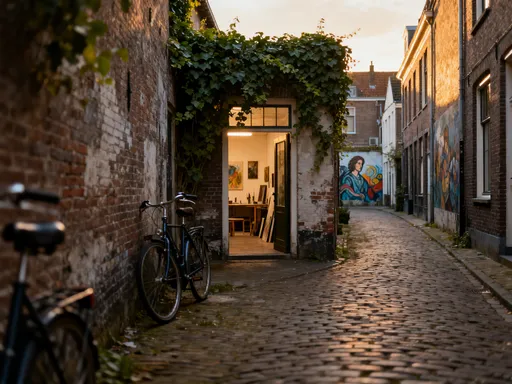
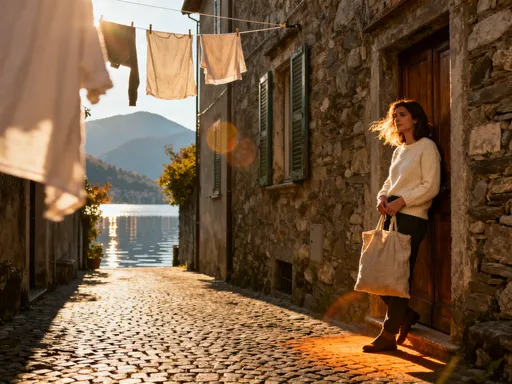
One of Malmö’s quiet strengths lies in its ability to elevate the everyday into something poetic. Walk through neighborhoods like Möllevången, Sofielund, or Gamla Väster, and you’ll find that beauty isn’t confined to landmarks—it’s embedded in the fabric of daily life. Peeling paint on a doorway, a bicycle leaned against a pastel wall, laundry fluttering between buildings—these details become powerful visual elements when seen through a photographer’s eye.
Möllevången, in particular, is a treasure trove of urban texture. Once a working-class district, it’s now a vibrant, multicultural hub where Moroccan spices mingle with Turkish bakeries and vintage Scandinavian design. The streets are narrow, often cobblestoned, and lined with buildings painted in faded yellows, blues, and pinks. Graffiti blends with hand-painted signs; flower boxes overflow with geraniums; and sunlight dances across uneven walls, creating patterns of shadow and highlight that beg to be captured.
The key to photographing these scenes lies in timing and perspective. Early morning light, just after sunrise, casts a soft, directional glow that enhances texture without harsh contrast. This is the ideal time to explore side alleys and courtyards, where the city feels still and contemplative. A narrow aperture (f/8 to f/11) ensures depth of field, keeping both foreground details and background layers in focus. A polarizing filter can help reduce glare on wet surfaces after rain, revealing richer colors in painted walls and cobblestones.
But beyond technical settings, what matters most is attention. Malmö invites you to slow down and notice—the curve of a wrought-iron balcony, the way light hits a café awning, the reflection of a passerby in a rain puddle. These moments don’t announce themselves; they reveal themselves to those who look closely. And when you capture them, your photos become more than images—they become stories of place, of people, of quiet resilience.
The Iconic Öresund Bridge: A Symbol Worth Shooting from Every Angle
No symbol defines Malmö’s modern identity quite like the Öresund Bridge—a 16-kilometer engineering marvel that arcs from Sweden to Denmark, linking Malmö to Copenhagen. More than just a transportation route, it’s a visual anchor, a ribbon of steel and cable that cuts across sky and water, changing character with every shift in weather and light.
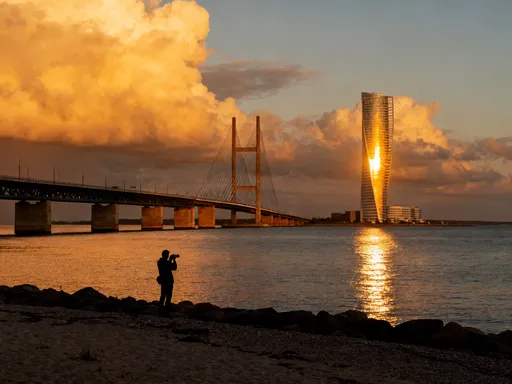
For photographers, the bridge offers endless compositional possibilities. From a distance, it appears as a delicate line on the horizon; up close, its massive pylons and suspension cables command attention. The best vantage points include Western Harbor, where the Turning Torso building frames the bridge in striking symmetry; Ribersborg Beach, where low tide exposes rippled sand that mirrors its reflection; and the Kallebäck Bridge, which provides an elevated, side-angle view perfect for capturing its full span.
The magic of photographing the Öresund Bridge lies in its responsiveness to atmosphere. On foggy mornings, it emerges from the mist like a ghostly silhouette, its cables fading into the haze. At sunset, the western light gilds its steel structure, turning it into a warm, glowing line against a cool sky. After rain, puddles in the harbor area create mirror-like surfaces, doubling the bridge’s presence and adding depth to the composition.
To capture these effects, consider using a tripod and experimenting with long exposures. A shutter speed of 10 to 30 seconds can smooth out water movement, creating a glassy surface that enhances reflections. A neutral density (ND) filter helps manage light in bright conditions, allowing for longer exposures even during daylight. Framing the bridge with foreground elements—such as reeds along the shore or a lone bench—adds context and scale, transforming a simple shot into a layered narrative.
But perhaps the most compelling aspect of the bridge is what it represents: connection. It’s not just a link between two countries—it’s a symbol of openness, collaboration, and forward motion. When you photograph it, you’re not just capturing a structure; you’re documenting a mindset, a vision of what cities and people can achieve when they reach across divides.
Western Harbour (Västra Hamnen): Where Architecture Meets the Sea
If Malmö’s soul is found in its contrasts, then Västra Hamnen—Western Harbor—is where that duality shines most brightly. Once a neglected industrial zone, this district has been reborn as a model of sustainable urban design, crowned by the Turning Torso, Scandinavia’s tallest residential skyscraper. Designed by architect Santiago Calatrava, the building twists 90 degrees from base to top, resembling a human spine or a sail caught in the wind.
For photographers, the Turning Torso is both a challenge and a delight. Its bold, futuristic form demands creative framing to avoid overwhelming the composition. One effective approach is to shoot from a low angle, using puddles or wet pavement after rain to capture a reflection that doubles the building’s presence. Another is to include the surrounding context—the calm waters of the harbor, the clean lines of nearby buildings, or the movement of cyclists along the promenade—to ground the image in place and scale.
Golden hour is particularly rewarding here. As the sun dips below the horizon, the white façade of the Turning Torso glows in warm light, while the shadows lengthen across the plaza. Backlighting can create dramatic silhouettes of people walking past, adding human interest without distracting from the architecture. A wide-angle lens (16–35mm) allows you to capture both the full height of the building and its relationship to the sky and sea.
But Västra Hamnen is more than just a showcase of modern design. It’s a living neighborhood, where families stroll along the waterfront, children play in the sand, and locals sip coffee at open-air cafes. Including these everyday moments in your shots adds warmth and authenticity. A single figure walking along the promenade, dwarfed by the tower behind them, speaks volumes about scale, ambition, and the human experience within the urban landscape.
The district also reflects Malmö’s commitment to sustainability. Solar panels, green roofs, and energy-efficient buildings are integrated seamlessly into the design. While these features may not always be visually prominent, they contribute to the area’s quiet dignity—a sense that progress doesn’t have to come at the cost of beauty or responsibility.
Green Escapes: Parks That Frame the Perfect Shot
Amid the city’s urban energy, Malmö’s parks offer essential respites—places where light filters through leaves, water reflects the sky, and time seems to slow. Two of the most photogenic are Pildammsparken and Kungsparken, each with its own character and seasonal rhythm.
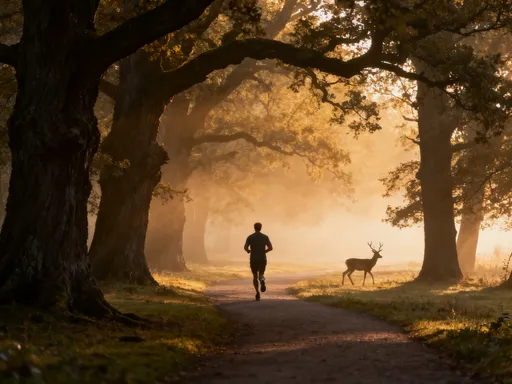
Pildammsparken, located in the western part of the city, is a sprawling green oasis centered around two large ponds. In spring, cherry blossoms line the paths, creating soft pink canopies that glow in morning light. By autumn, the trees turn gold and crimson, their reflections shimmering in the still water. The park’s winding trails, wooden bridges, and stone staircases provide natural leading lines, guiding the eye through the frame. A telephoto lens can isolate distant details—a heron standing at the water’s edge, a couple walking beneath an arched bridge—while a wide-angle captures the expansive beauty of the landscape.
Kungsparken, situated near the city center and Malmö Castle, is more formal in design but equally rich in photographic opportunities. Its symmetrical layout, fountains, and manicured lawns evoke a sense of order and calm. In summer, the park buzzes with activity—children playing, musicians performing, people reading on benches. These candid moments, when captured with care, add life and emotion to your images. The castle itself, with its red-brick façade and turrets, serves as a striking backdrop, especially when framed through tree branches or reflected in a puddle after rain.
Both parks change with the seasons, offering new compositions throughout the year. Winter brings a quiet beauty—frosted grass, bare branches etched against gray skies, and the occasional dusting of snow that softens edges and mutes colors. Foggy mornings transform the ponds into mirrors, blurring the line between water and sky. These atmospheric conditions invite minimalism, where less becomes more, and a single tree or path can carry the entire weight of the image.
Photographing in parks also encourages mindfulness. The act of waiting for the right light, the right moment, the right alignment of elements—this is where photography becomes meditation. And in Malmö, where nature and city coexist so harmoniously, these green spaces are not just scenic backdrops but essential chapters in the city’s visual story.
Coastal Magic: Ribersborg Beach and the “Kallis”
For many, Ribersborg Beach—affectionately known as “Ribban”—is Malmö’s soul laid bare. Stretching along the western edge of the city, this wide, sandy shore faces west, making it one of the best places in Malmö to witness sunset. But its magic isn’t limited to golden hour. At sunrise, the beach is often empty, the sand damp and reflective, marked only by footprints and the occasional dog walker.
The wooden bathhouse, officially Ribersbadet but universally called “Kallis,” stands as a weathered sentinel at the water’s edge. Built in the 19th century, its planks are bleached silver by salt and wind, and its silhouette against the sky is instantly recognizable. In fog, it appears ghostly; in bright light, its textures come alive. Photographing it from a low angle, with the sea stretching behind, emphasizes its isolation and endurance.
The beach itself offers endless compositional opportunities. Wet sand after low tide becomes a natural mirror, reflecting clouds, sky, and distant structures like the Öresund Bridge. Footprints leading toward the water suggest narrative—someone’s journey, a moment of solitude. Wide-angle shots capture the vastness of the shore, while close-ups reveal the delicate patterns left by receding waves.
In winter, Ribban takes on a more dramatic character. Storms roll in from the Kattegat, sending waves crashing against the shore. The air fills with spray, and the light turns moody and gray. These conditions are perfect for black-and-white photography, where contrast and texture dominate. A polarizing filter can help cut through glare and enhance cloud definition, while a fast shutter speed freezes the motion of waves, or a slow one blurs them into soft mist.
And always, in the distance, Malmö Castle appears on the horizon—a solid, enduring presence. Including it in wide seascapes adds historical depth, connecting the present moment to centuries of coastal life. Whether bathed in sunset glow or shrouded in fog, the castle reminds us that some things remain, even as light and tide change.
Rooftop Secrets and Hidden Corners: Seeing Malmö from Above (Without Going Viral)
While Malmö doesn’t have the soaring skyscrapers of larger cities, it offers subtle, accessible ways to see it from above. The key is knowing where to look—and how to do so respectfully. Unlike some cities where rooftop photography has become reckless or dangerous, Malmö rewards quiet exploration and legal access.
One of the best elevated viewpoints is the parking garage near Lilla Torg in the Gamla Väster district. From the top floor, you can capture the red-tiled roofs of the old town, the spire of St. Peter’s Church, and the distant shimmer of the sea. The angle is unobtrusive, the access public, and the light at twilight transforms the scene into something almost painterly.
Some hotels, particularly those in the Western Harbor area, offer rooftop terraces or upper-floor lounges with panoramic views. While not always open to the public, a polite inquiry at check-in or a coffee purchase at the bar may grant you access. The goal isn’t to trespass, but to appreciate the city from a new perspective—ethically and safely.
Another option is the elevated walkways in the Pildammsparken area, which offer a bird’s-eye view of the ponds and surrounding trees. In autumn, the canopy turns fiery, and from above, you can capture the full sweep of color. A lightweight tripod is essential for stability, especially in windy conditions, and a wide lens (24mm or wider) helps encompass the broad cityscape.
These hidden viewpoints share a common quality: they’re not about spectacle, but intimacy. They don’t demand attention; they invite contemplation. And in capturing Malmö from above, you’re not just documenting the city—you’re understanding its rhythm, its balance of land and water, built and natural, past and future.
Conclusion: Why These Viewpoints Stay With You
Malmö doesn’t shout. It doesn’t need to. Its beauty is in the quiet moments—the way light falls across a cobblestone street, the hush of a winter beach, the reflection of a bridge in a rain puddle. What makes its viewpoints unforgettable isn’t their scale, but their sincerity. They don’t exist for the camera; they exist, and the camera bears witness.
In a time when travel photography often leans toward the dramatic, the extreme, the viral, Malmö offers a different path. It reminds us that great images come not from chasing trends, but from slowing down, looking closely, and seeing with intention. The city’s power lies in its contrasts—industrial and natural, old and new, urban and coastal—and in its ability to make the ordinary feel extraordinary.
Whether you’re standing on a quiet rooftop at twilight, walking barefoot on Ribban’s cool sand, or photographing a single leaf caught in a spiderweb at Pildammsparken, Malmö invites you to be present. It asks you to notice, to feel, to connect. And when you do, your photos become more than souvenirs—they become reflections of a deeper experience, moments of light and stillness that stay with you long after you’ve left.
So pack your camera, but leave room in your heart. Malmö isn’t just a place to photograph. It’s a place to remember how to see.